Screenshot_6.png

Walking, Eating, and Becoming Part of Florence, Italy – Part 6 – Synagogue and Jewish Museum
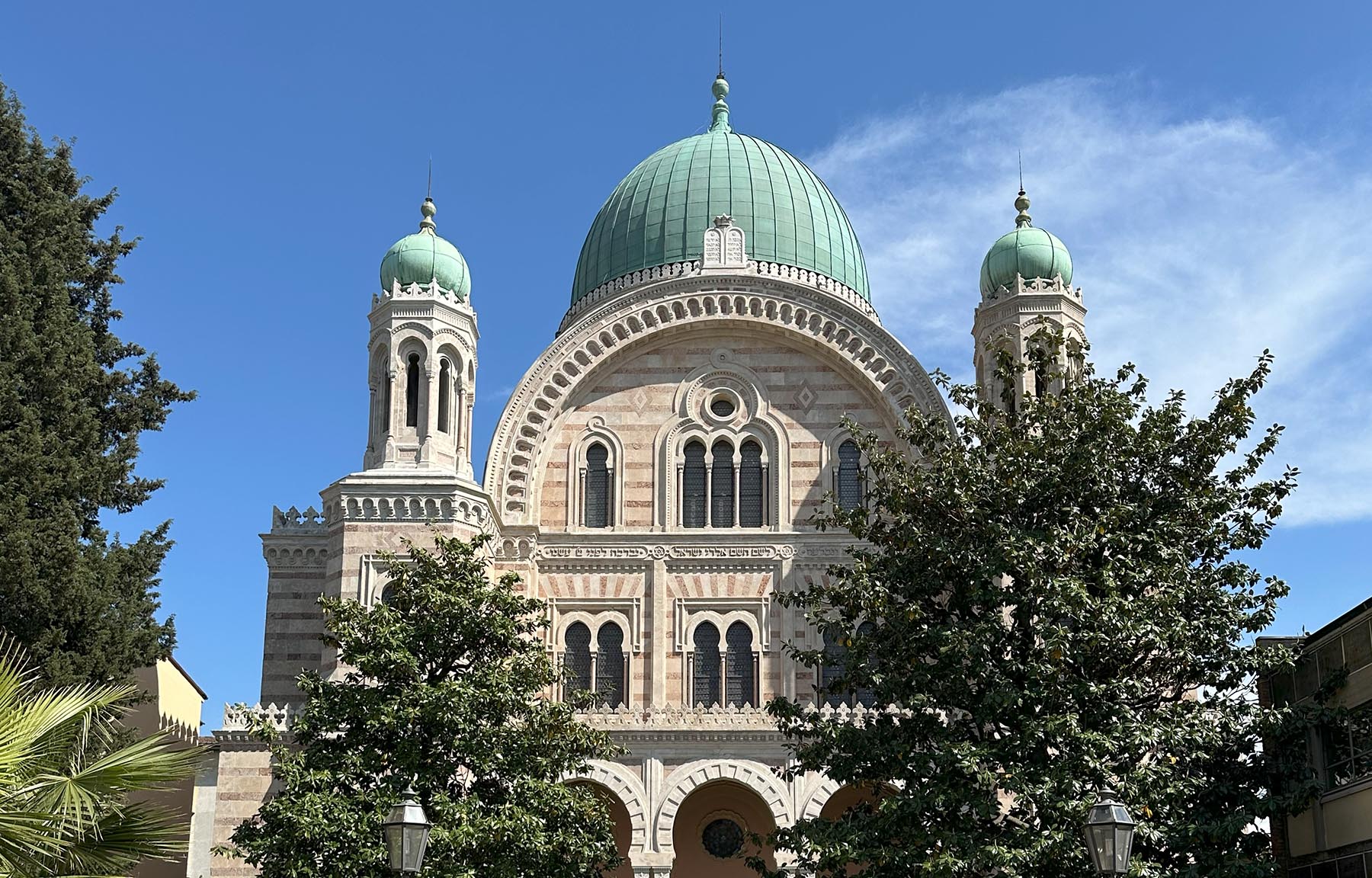
Synagogue and Jewish Museum of Florence

The Synagogue and Jewish Museum of Florence stands as a remarkable testament to beauty, history, and belonging. Its stunning architecture and richly decorated interiors reflect a proud heritage, while the museum preserves and shares the stories of a vibrant community that has shaped the city for centuries. Travelers who visit are invited into an atmosphere that is both inspiring and deeply meaningful, offering a chance to connect with Florence on a more personal and cultural level.

Synagogue and Jewish Museum of Florence: A Place of Beauty, History, and Belonging

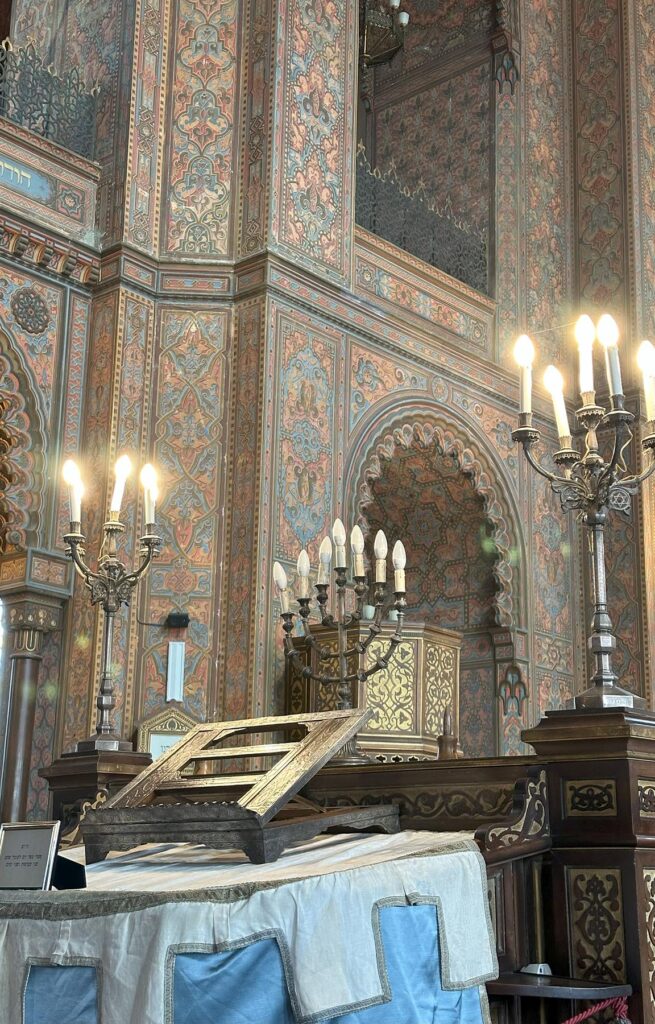
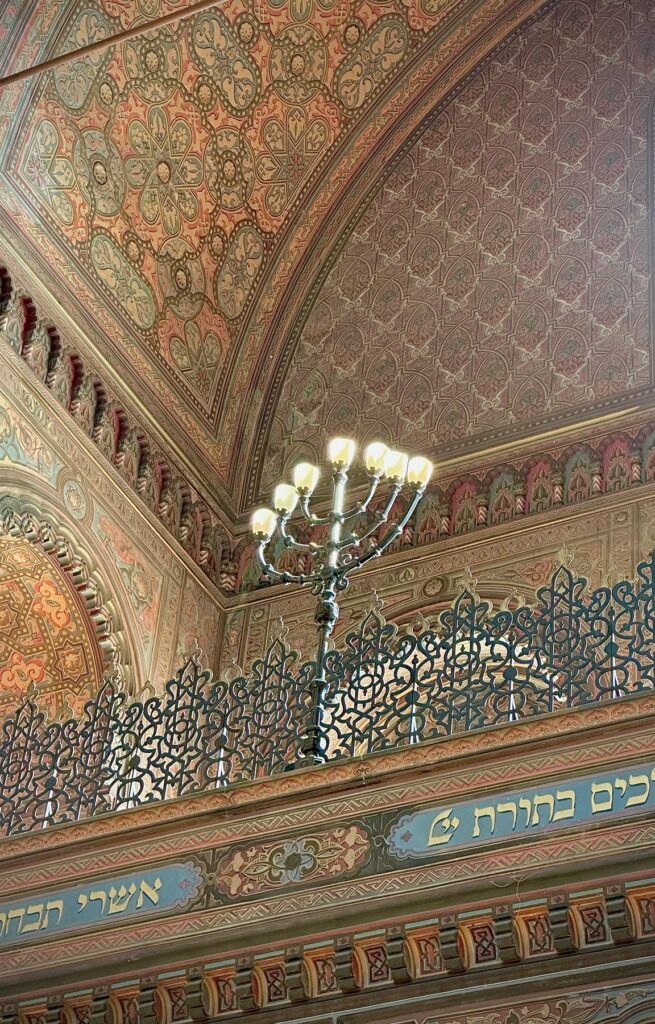
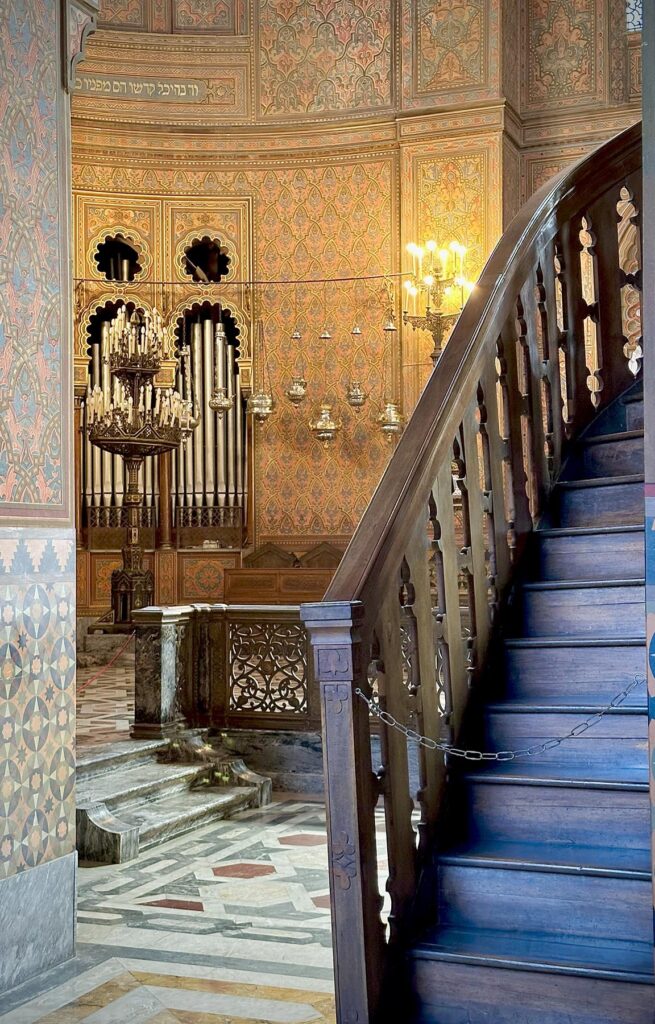
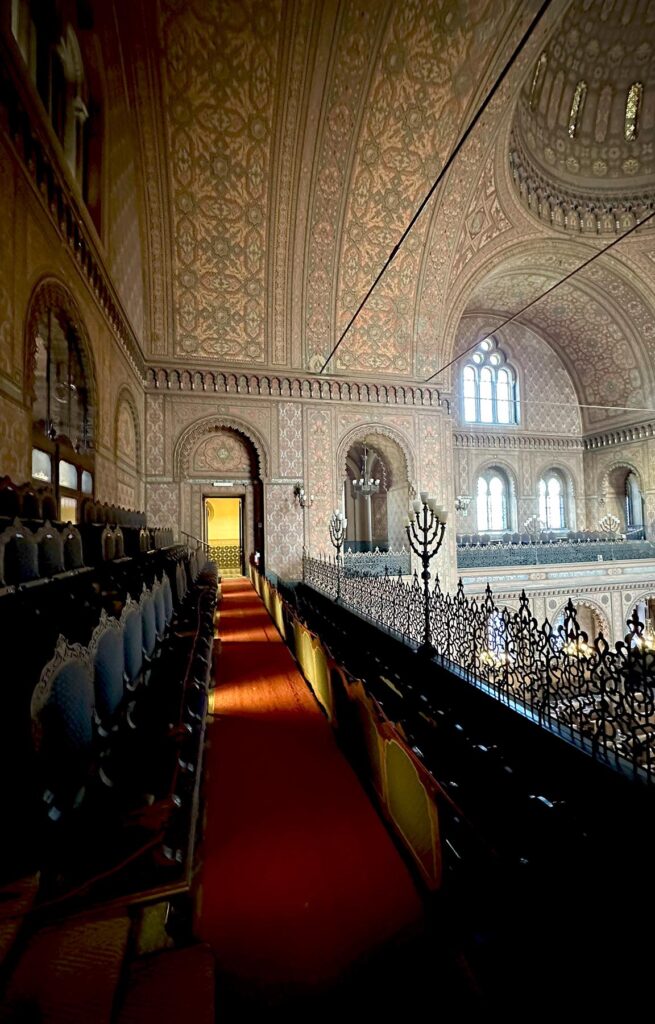
This is another one of my favorite places to visit. I’ve been there a number of times over the years, and they’ve done such a beautiful job of restoring this old synagogue. Construction began in November 1870 and was officially opened in 1882. It was built in the Moorish style that combined elements of Arab, Roman, and Byzantine art. The interior is beautiful with an understated elegance. The sanctuary is a very large and majestic place with wooden bench seats surrounding the bima or pulpit on the ground floor, with a separate gallery for women upstairs in the orthodox tradition of separating the men and women during services.

I can feel the energy of the Jews who went before me, who were not free citizens until around 1861, and who worshipped here. During WWII, the Nazi’s used it as a storehouse, and in 1944, it was set with explosives by the Nazis only to have most of the explosives diffused by resistance fighters, saving the Synagogue with only minor damage done. After the war, the congregation returned and restored the synagogue.
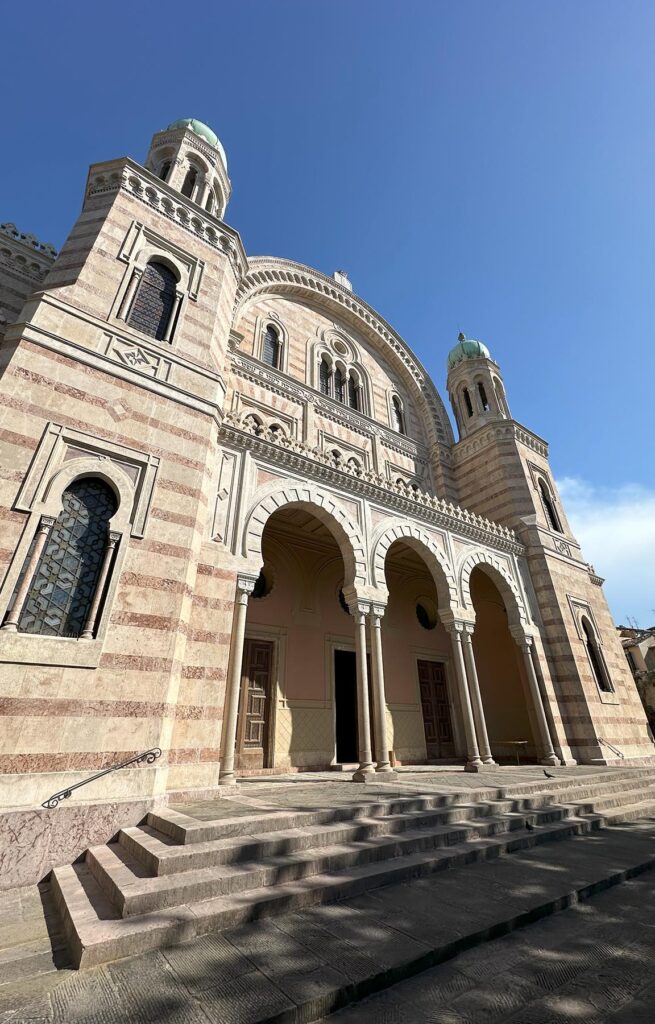
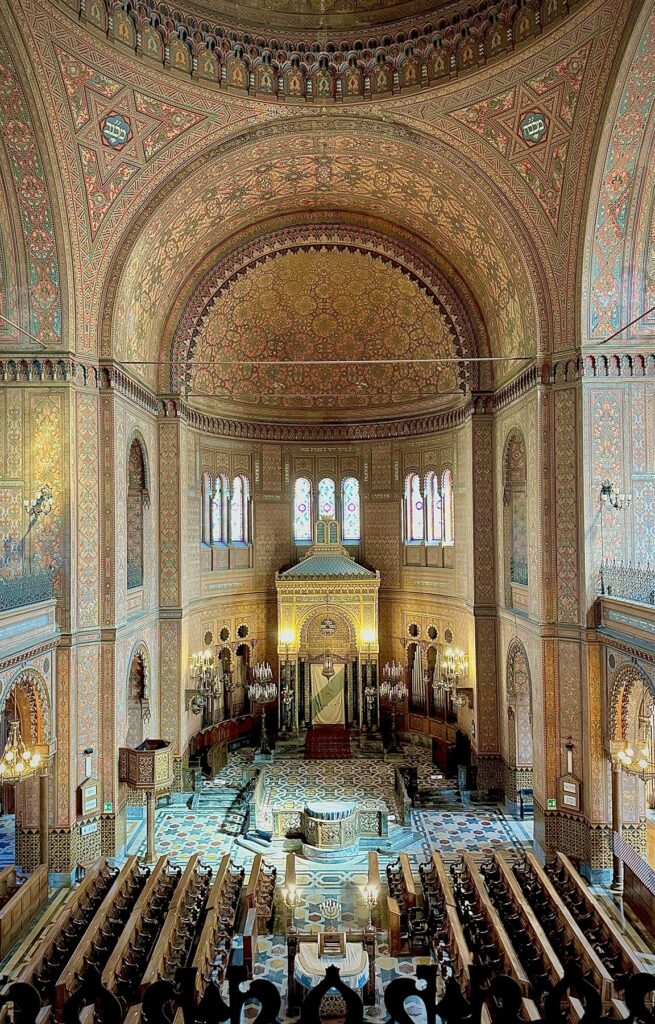
The museum upstairs, accessible by staircase or elevator, offers a beautifully curated glimpse into the rich Jewish history of Florence. There are many beautiful artifacts such as mezuzot, prayer books, tallit, menorahs, kiddish cups, yads, and other objects and historical artifacts, including a model of the Jewish ghetto. There are also stories and displays showing the Jewish history in Florence.

On my travels abroad, I like to look up where the Jewish synagogues and cemeteries are in the cities I’m visiting to connect to the Jewish life there, past and present. The synagogue in Florence is, for me, a special place, a place where I can feel some of my Jewish roots, even though I’m not Italian, in my favorite Renaissance city.

The synagogue still serves an active Jewish community. The Chabad house is just around the corner, and several kosher restaurants are nearby. The complex also includes a preschool, adding a lovely sense of continuity – Jewish life here is remembered and still lived. For security reasons, there are guards stationed at the entrance, and while photography is not allowed with cameras, you may take photos with your phone.

Please note that the synagogue is closed to visitors on Friday and Saturday, as it is in use for Shabbat services. If you are in Florence during the week, I highly recommend taking the time to visit. It is not just a destination but an experience – quiet, moving, and deeply human.

-Rico Mandel

Who is Rico Mandel?

Rico, the visionary founder and CEO of Miz En Place, embodies a lifelong journey fueled by passions for photography, filmmaking, culinary arts, business acumen, exploration, and entertainment. His mission is to unite people in support of artisanal small businesses worldwide. Rico eagerly welcomes the opportunity to share his compelling story and expertise, inspiring your culinary adventures and dreams.

Your Next Culinary Adventure Awaits – Let’s Create Something Unforgettable!

✈️ Fill out our custom Italy adventures trip interest form – Tell us about your travel style, interests, and dream experiences. We will hand-curate a personalized Miz En Place journey just for you—crafted with care, flavor, and unforgettable moments.

📧 Have questions? Email our friendly customer service team anytime, or try the live chat function on our site! We are here to guide you, share insider insights, and help turn your travel vision into reality.

Have you had the opportunity to visit Florence, Italy? Where did you go? What did you see? What did you eat? What were your thoughts and favorite moments? Let us know in the comments!
Walking, Eating, and Becoming Part of Florence, Italy – Part 5, Restaurants

Florence is a city that feeds both the soul and the appetite, and Rico has uncovered some of its most unforgettable dining spots. From cozy trattorias tucked away on quiet cobblestone streets to elegant restaurants serving timeless Tuscan dishes, these favorites capture the essence of Florence – warm hospitality, rich flavors, and the kind of meals that linger in your memory long after the last bite.

Ala Grande: Where Coffee Is Magic and Mornings Begin Right

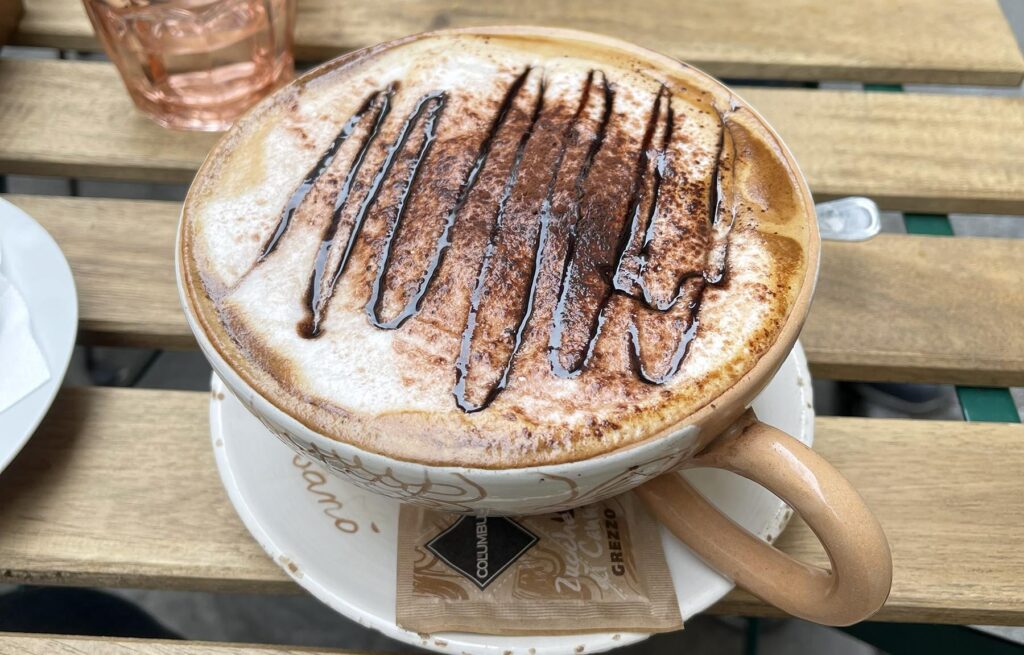
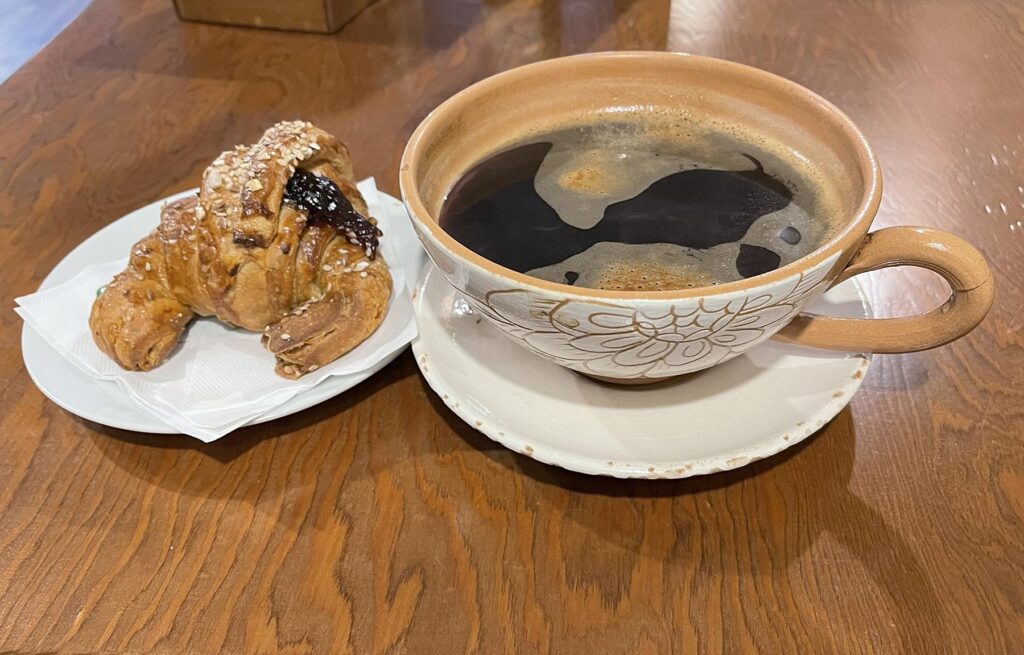
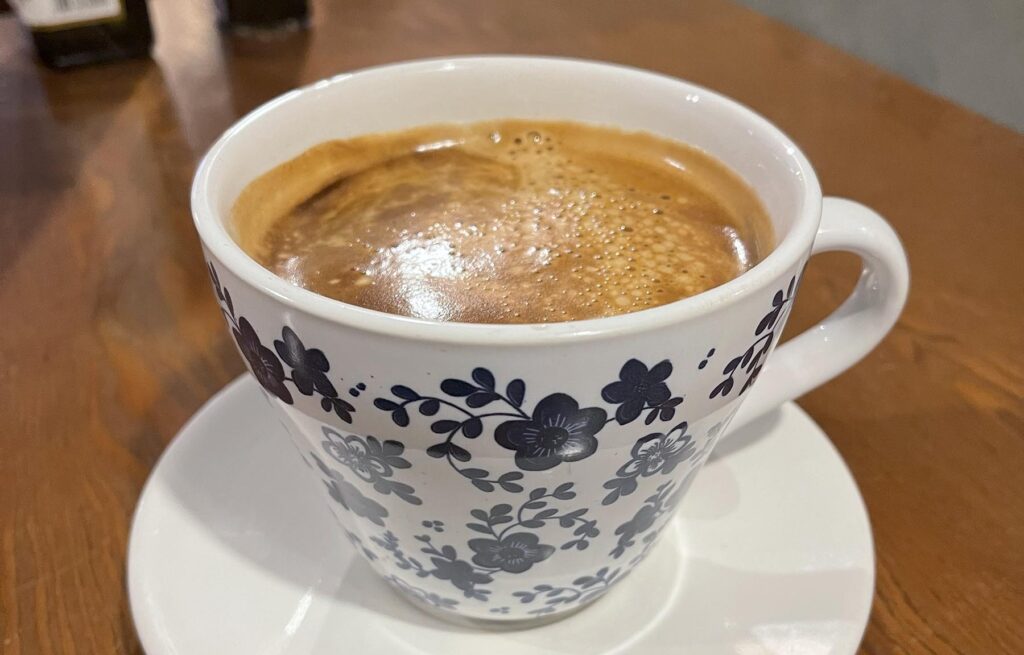
This is my happy place for coffee and to enjoy what, in my opinion, is the best coffee in Florence. It’s the only place where I can get what Italians would consider a gigantic cup of coffee. If you are a coffee lover, this place is a must. It’s actually located a couple of blocks up the street from La Gelatiera. It’s a quaint place that’s open Monday through Friday from 8 to 2 or 3-ish, depending on the crowd. I discovered this place on the recommendation of Francesco and Lan, since they are friends with Mauro, the owner.

Mauro, the owner, kinda treats coffee like a sommelier treats wine – with reverence, precision, and genuine love. You can taste his passion in every cup. I’m convinced the man is a magician. Every cup is rich, balanced, and beautifully crafted, no matter what size you order (though I always go for the biggest).

Their food is fantastic! Great for breakfast, omelets, various pastries, pancakes, and other delectable treats, along with their daily specials. Getting there around noontime OMG their sandwiches are delicious. What makes them great is the bread, with a perfect crunch on the outside and the softness that complements the wonderful savory Italian ingredients on the inside.

The service is always warm and familiar; you are welcomed like an old friend. Seating outside can be a bit tight, but for me it’s part of the experience. Last time we were there, our server was so warm and attentive to whatever we needed. We went 2 days in a row and would have been there another few times had they been open on the weekend, it’s just that kind of place.

Ala Grande is open Monday through Friday and is closed on weekends, so plan accordingly. It’s usually less crowded early in the morning or around midday when the rush dies down. It’s not just a coffee stop; it’s part of the ritual of living the local life in Florence.

Il Vegetariano: A Cozy, Flavor-Packed Gem (Even for Meat Lovers)

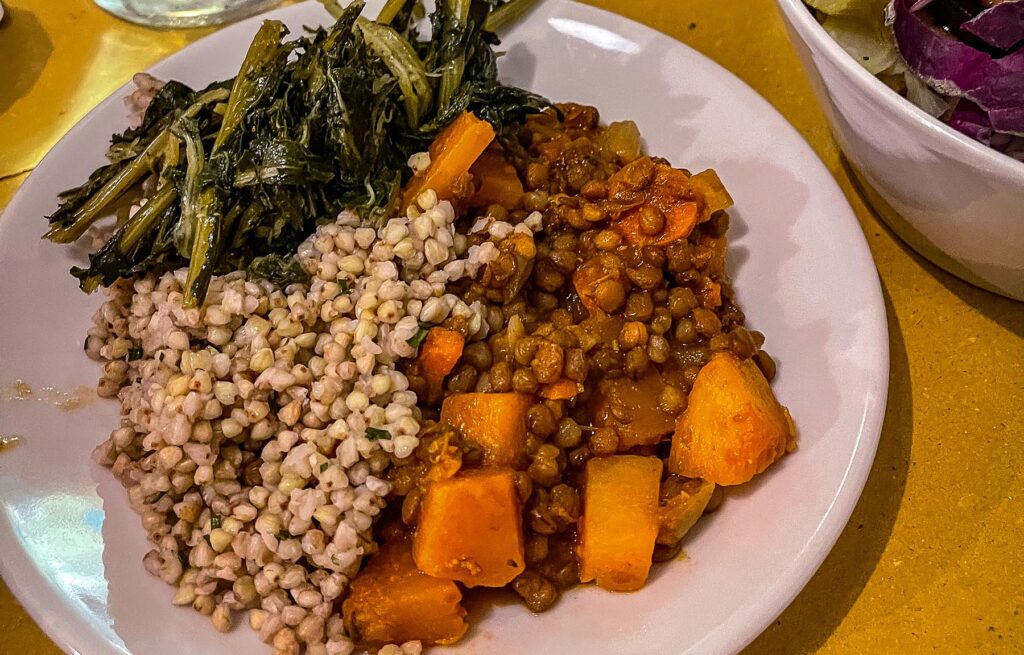
I eat pretty much everything, if you call it food, for humans that is, I’ll at least try it, so when I was introduced to Il Vegetariano back in 2021, I will admit I was skeptical, but having come from a trusted source, I went for it and was amazed. The place opens at around 12:30 and has a bohemian vibe. It’s got a beautiful garden patio out back and plenty of seating inside as well, with some tables being communal.

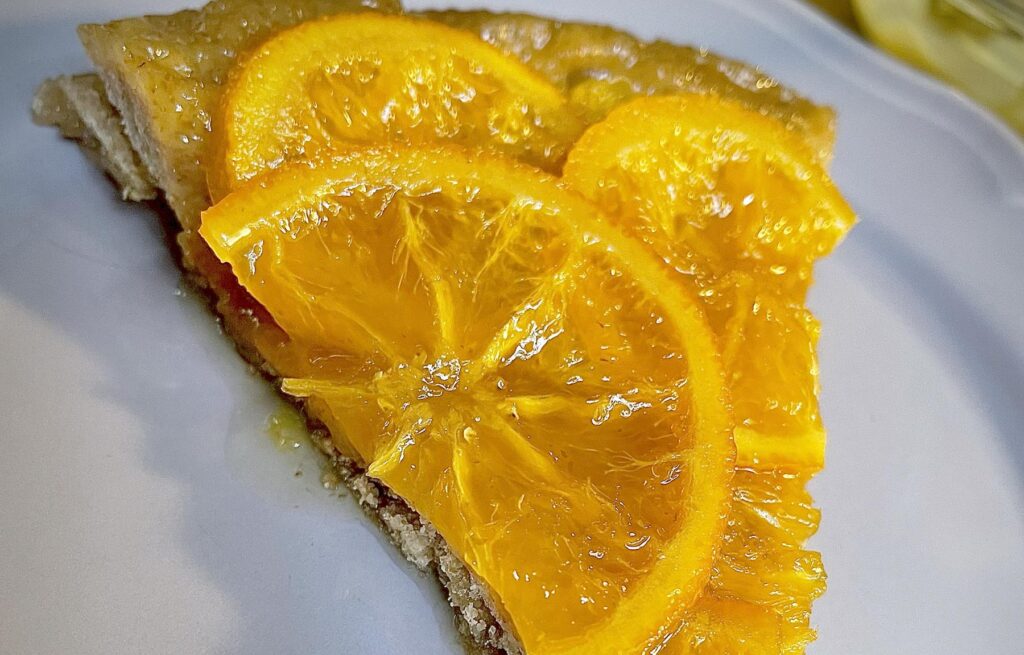
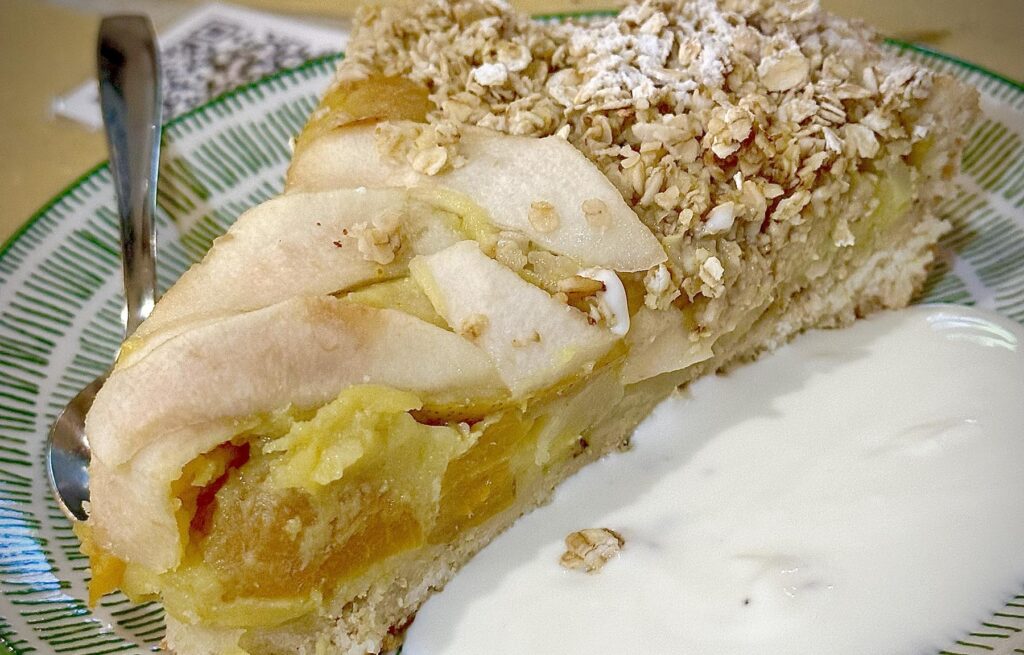
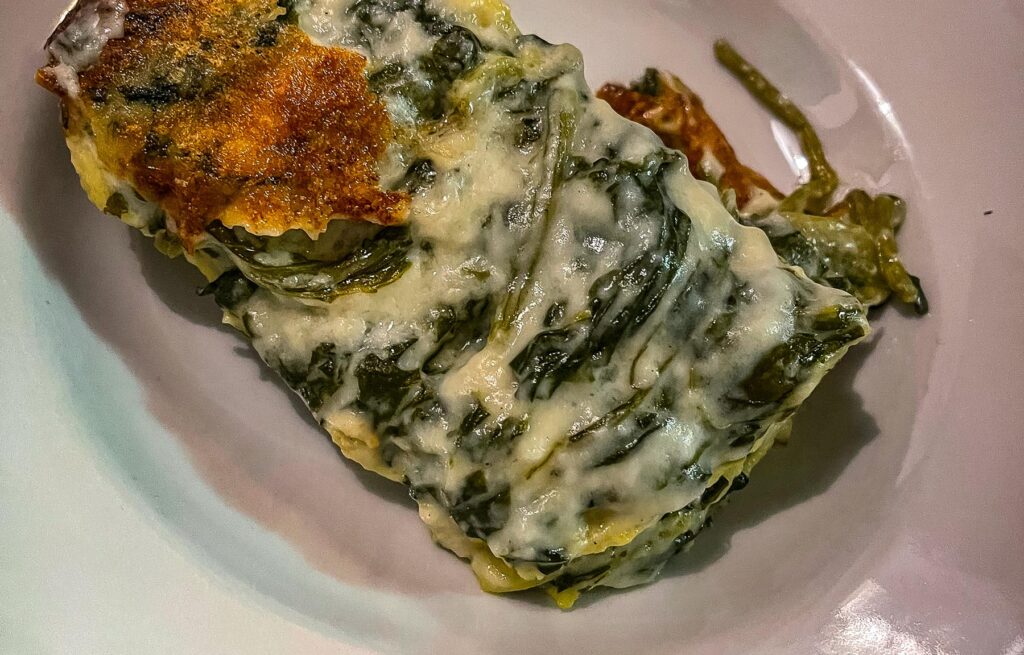
I’ve always had a good meal here are a very reasonable price. Their portions are generous, just to let you know, so you won’t leave starved. For me, there are 2 must-haves: dessert and their house salad. I’ll start with dessert – all their desserts are made fresh daily. They have both vegetarian and vegan offerings, and they are soooooooo good! I’ve had a variety of them and never been disappointed. One of my favorites they make is their orange tart tatin – I don’t know how they make it but the orange slices give you that perfect balance of orange flavor, some sweetness and a bit of bitterness from the rind that, along with their flakey semi-sweet crust with just the right amount of texture to it makes my mouth water as I am writing this. The other thing is their house salad. Get a small one unless you are having it as a main course. You just go up to the counter and tell them all the ingredients you want in it from the selection in the case, and have them give you their house dressing on the side, since they give you a lot, and it can be a meal in itself. They always have an interesting selection of hot entrees along with beer and wine. I’ve had their lasagna, which was good, along with some of their Indian style dishes, which were also tasty. You may need to add a bit of salt to the entrees, but other than that, it’s a great place to go. If they are busy and need room, you may be asked to make your table available if you are done with your meal to give other customers the opportunity to enjoy their meal. If that happens, there are a few places close by where you can sit and have a coffee and continue your conversation at a leisurely pace.

Here’s how it works: grab a menu, a pencil, and one of their small pads of paper, write down your selections, and bring your list up to the cashier to pay. Then you’ll take the receipt up to the counter, and they’ll get your order started. The staff is kind and patient, and while they do speak some English, knowing a few Italian phrases or keeping Google Translate handy can make things even smoother.

La Falterona: Elegant Flavors, Local Charm, and True Italian Hospitality

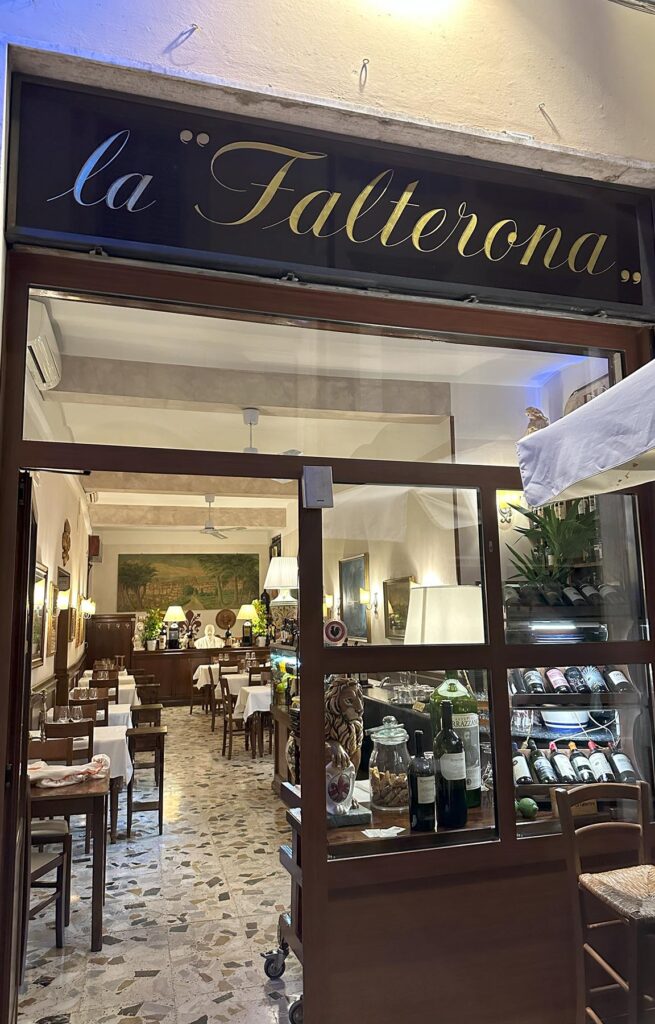
Tucked into the San Lorenzo district, just a short stroll from the Mercato Centrale, is La Falteron,a one of those rare trattorias that manages to strike the perfect balance between sophistication and authenticity. To me, it feels like fine dining without the pretense or price tag. Whether you sit inside, surrounded by warm Italian elegance, or at one of the outdoor tables watching Florentine life stroll by, the experience is unforgettable.

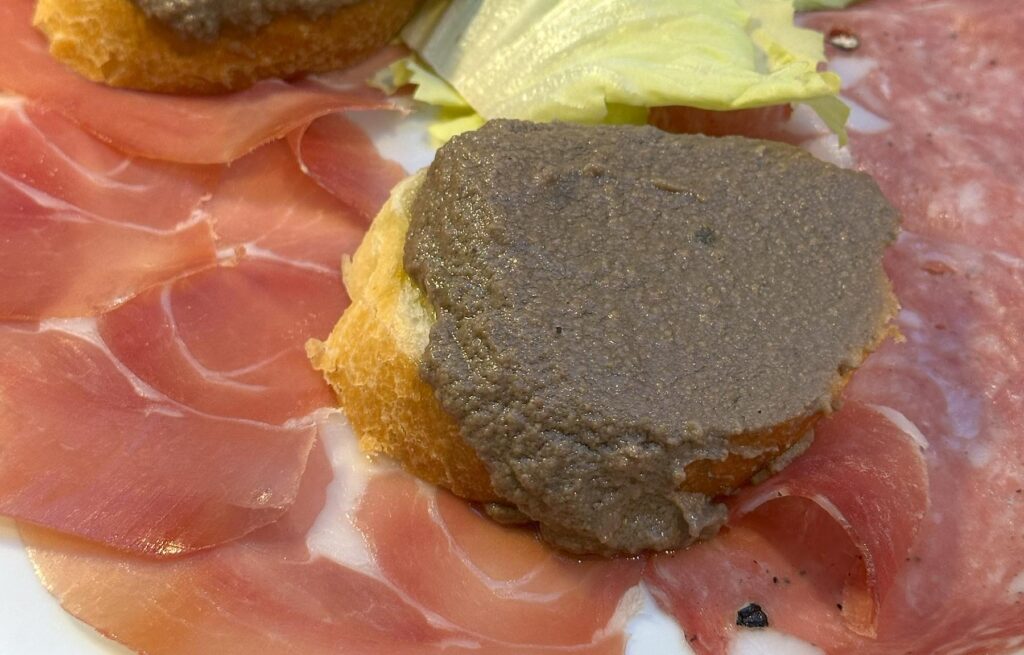
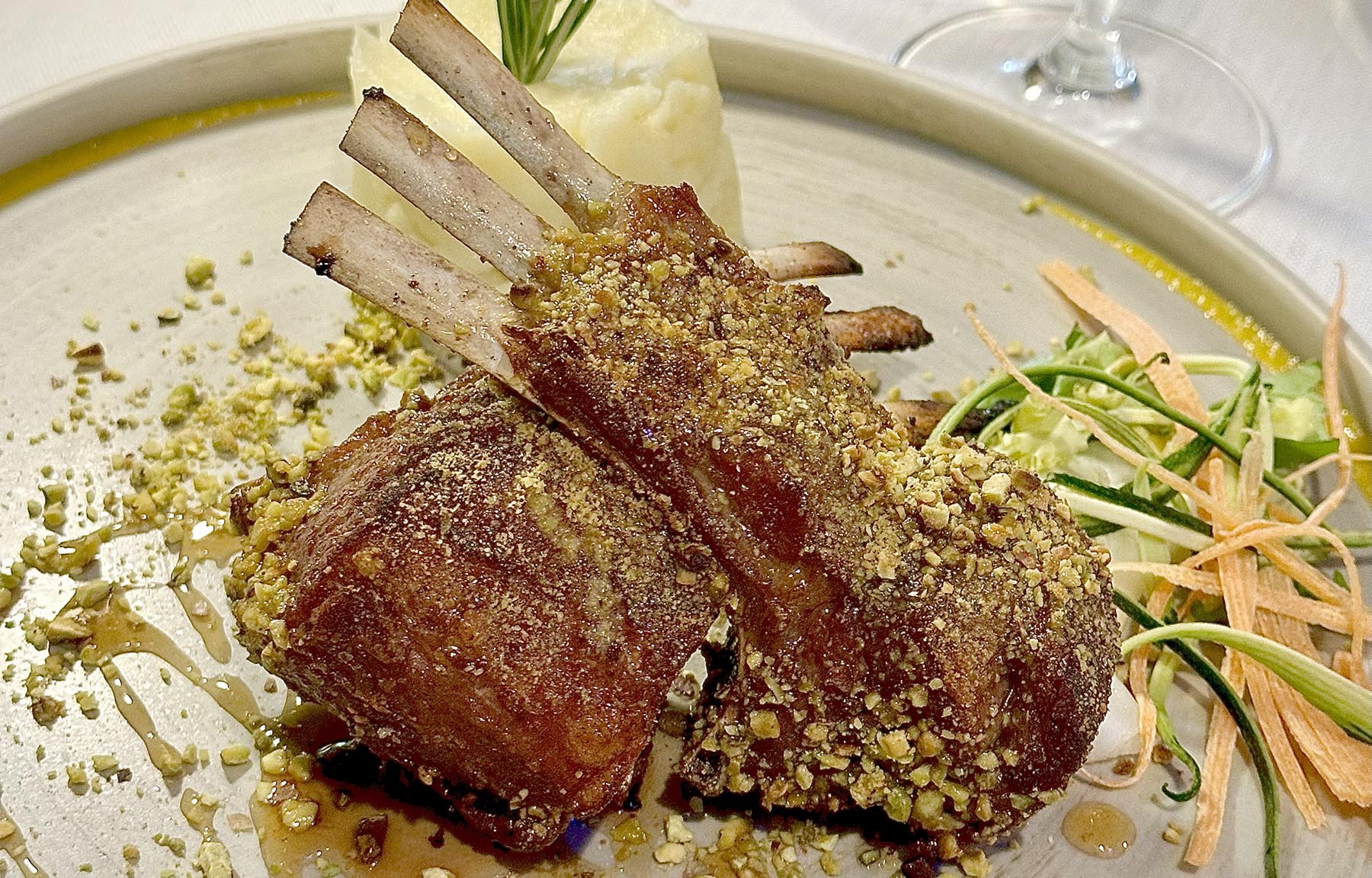
The food here is simply spectacular – it is intensely flavorful, beautifully presented, and consistently well-executed. The rack of lamb I had on my last visit was perfectly cooked and tender, full of rich, satisfying flavor. We shared bruschetta and a charcuterie board, and my daughter ordered the branzino, which was filleted and plated tableside with care as only an experienced waiter could do. Every dish reflects the quality of seasonal ingredients and thoughtful preparation.

What makes La Falterona truly shine, though, is the service. The staff are professional, friendly, and attentive without ever rushing you. They have personality, charm, and that exceptional Italian ease that makes you feel like a welcome guest rather than a table to be turned. They are happy to make recommendations for both food and wine that are pretty spot on.

Despite its elegance, the restaurant remains a local favorite, tucked just far enough from the busiest tourist zones to retain its genuine, neighborhood feel. It is a place where Florentines come to enjoy a proper meal, which speaks volumes. The prices are very reasonable for the quality, and the overall atmosphere (especially when dining outdoors) is full of life, warmth, and a touch of magic.

La Falterona is one of those experiences that stays with you, not just for the food, but for the feeling it leaves behind. It is a perfect example of why eating well in Florence means embracing not only the flavors, but also the rhythm of the city and the graciousness of those who call it home.

-Rico Mandel

Who is Rico Mandel?

Rico, the visionary founder and CEO of Miz En Place, embodies a lifelong journey fueled by passions for photography, filmmaking, culinary arts, business acumen, exploration, and entertainment. His mission is to unite people in support of artisanal small businesses worldwide. Rico eagerly welcomes the opportunity to share his compelling story and expertise, inspiring your culinary adventures and dreams.

Your Next Culinary Adventure Awaits – Let’s Create Something Unforgettable!

✈️ Fill out our custom Italy adventures trip interest form – Tell us about your travel style, interests, and dream experiences. We will hand-curate a personalized Miz En Place journey just for you—crafted with care, flavor, and unforgettable moments.

📧 Have questions? Email our friendly customer service team anytime, or try the live chat function on our site! We are here to guide you, share insider insights, and help turn your travel vision into reality.

Have you had the opportunity to visit Florence, Italy? Where did you go? What did you see? What did you eat? What were your thoughts and favorite moments? Let us know in the comments!
Walking, Eating, and Becoming Part of Florence, Italy – Part 4, La Gelatiera

La Gelatiera

La Gelatiera: Gelato Made with Heart (and the Freshest Ingredients in Florence)

There’s gelato… and then there’s La Gelatiera. Tucked away from Piazza San Lorenzo is this little gem, my absolute favorite spot gelateria in Florence. I was first introduced to Francesdo and Lan by my friend Linda Sorgiovani an expert luxury tour operator in Florence and other parts of Italy. What makes them so special is their warm hearts and passion for sourcing the best ingredients, mostly Italian, from a variety of sources. I remember meeting them at 5:00AM on morning to go to the wholesale produce market in Florence. It was filled with so many local fruits and vegetables as well as some imports. The care they take in choosing just the right quality of product was impressive.

La Gelatiera

They make both regular and vegan gelato. Both so creamy and delicious you may never know the difference. I had never had pistachio gelato like they make it, for the first time actually tasting the pistachios and contrary to popular belief the gelato isn’t bright green like so many artificially colored and flavored places make. The flavor of each of their gelatos is front and center, something to take pride in.

The gelateria still has remnants of original frescos in it that add to the warmth and beauty of the place. This was the first place I tasted a brioche filled with gelato, which was so good. Aside from their Pistachio I also love their vegan dark chocolate gelato. And everytime I go for a visit there are always new flavors to try.

I highly recommend you make it a point to pay them a visit, be sure to say hi for me.

La Gelatiera

Fair warning: the secret’s getting out. Lines can stretch out the door, especially in the warmer months, but they move quickly, and it’s absolutely worth the wait. This is the place where you can taste Florence at its sweetest.

-Rico Mandel, CEO, Miz En Place

Who is Rico Mandel?

Rico, the visionary founder and CEO of Miz En Place, embodies a lifelong journey fueled by passions for photography, filmmaking, culinary arts, business acumen, exploration, and entertainment. His mission is to unite people in support of artisanal small businesses worldwide. Rico eagerly welcomes the opportunity to share his compelling story and expertise, inspiring your culinary adventures and dreams.

Your Next Culinary Adventure Awaits – Let’s Create Something Unforgettable!

✈️ Fill out our custom Italy adventures trip interest form – Tell us about your travel style, interests, and dream experiences. We will hand-curate a personalized Miz En Place journey just for you—crafted with care, flavor, and unforgettable moments.

📧 Have questions? Email our friendly customer service team anytime, or try the live chat function on our site! We are here to guide you, share insider insights, and help turn your travel vision into reality.

Have you had the opportunity to visit Florence, Italy? Where did you go? What did you see? What did you eat? What were your thoughts and favorite moments? Let us know in the comments!
Walking, Eating, and Becoming Part of Florence, Italy – Part 3, Mercato Centrale

Mercato Centrale

Mercato Centrale: A Feast for the Senses

For me, the Mercato Centrale is one of my favorite places to go. I feel like a kid in a candy store where I can become inspired by the ingredients I can buy. I usually get there on the first or second day to do my initial shopping. I peruse the various fishmongers and butchers to see what inspires me. The cool thing is they have such a variety of items I don’t normally see in my local supermarket back in LA, or those I could only get at a specialty shop that would be very expensive. The one problem I have is my eyes are bigger than my stomach, and I can go crazy in there, so I have to temper myself and think about what meals I will cook over the next few days, so nothing goes to waste.

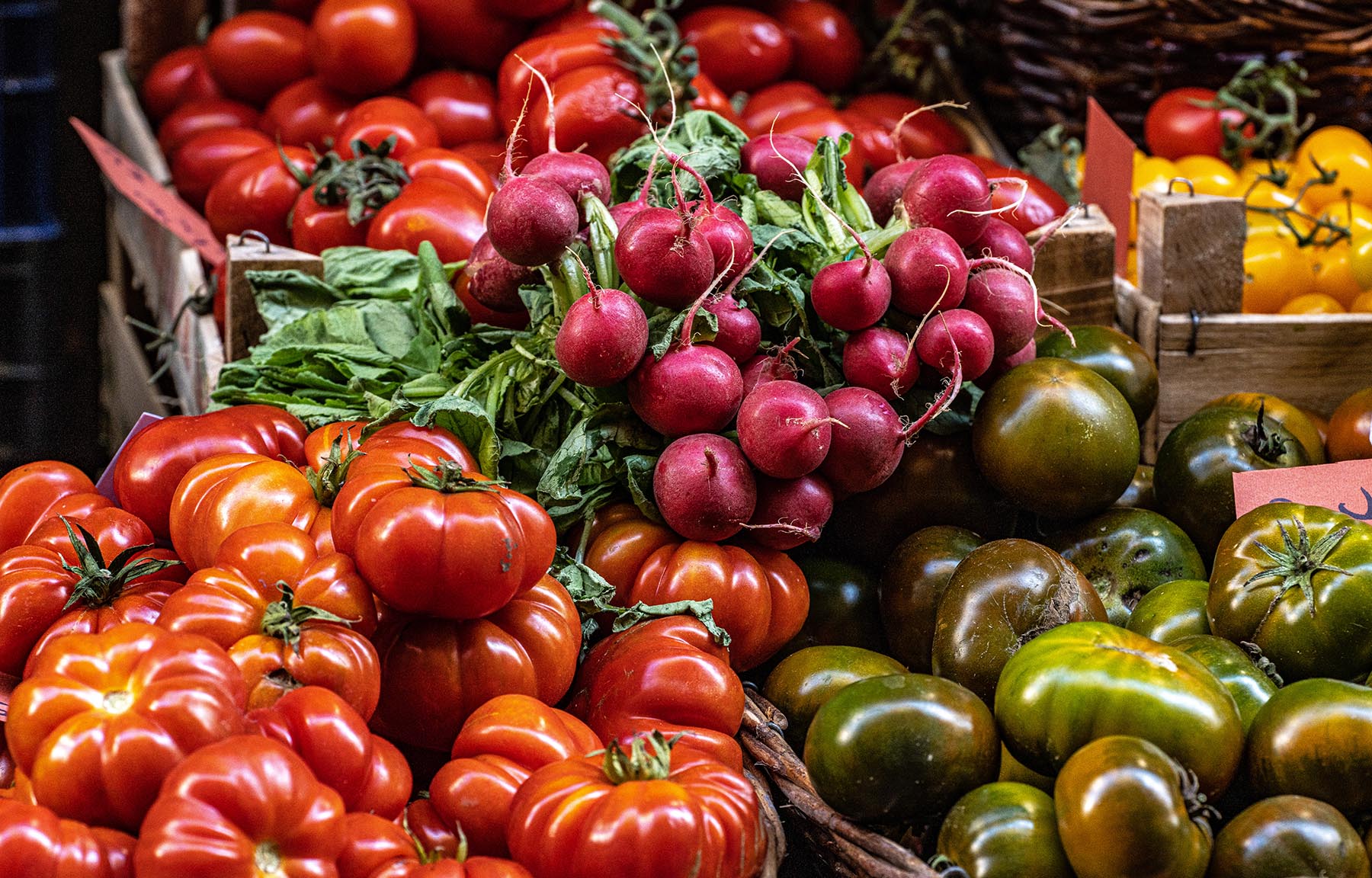
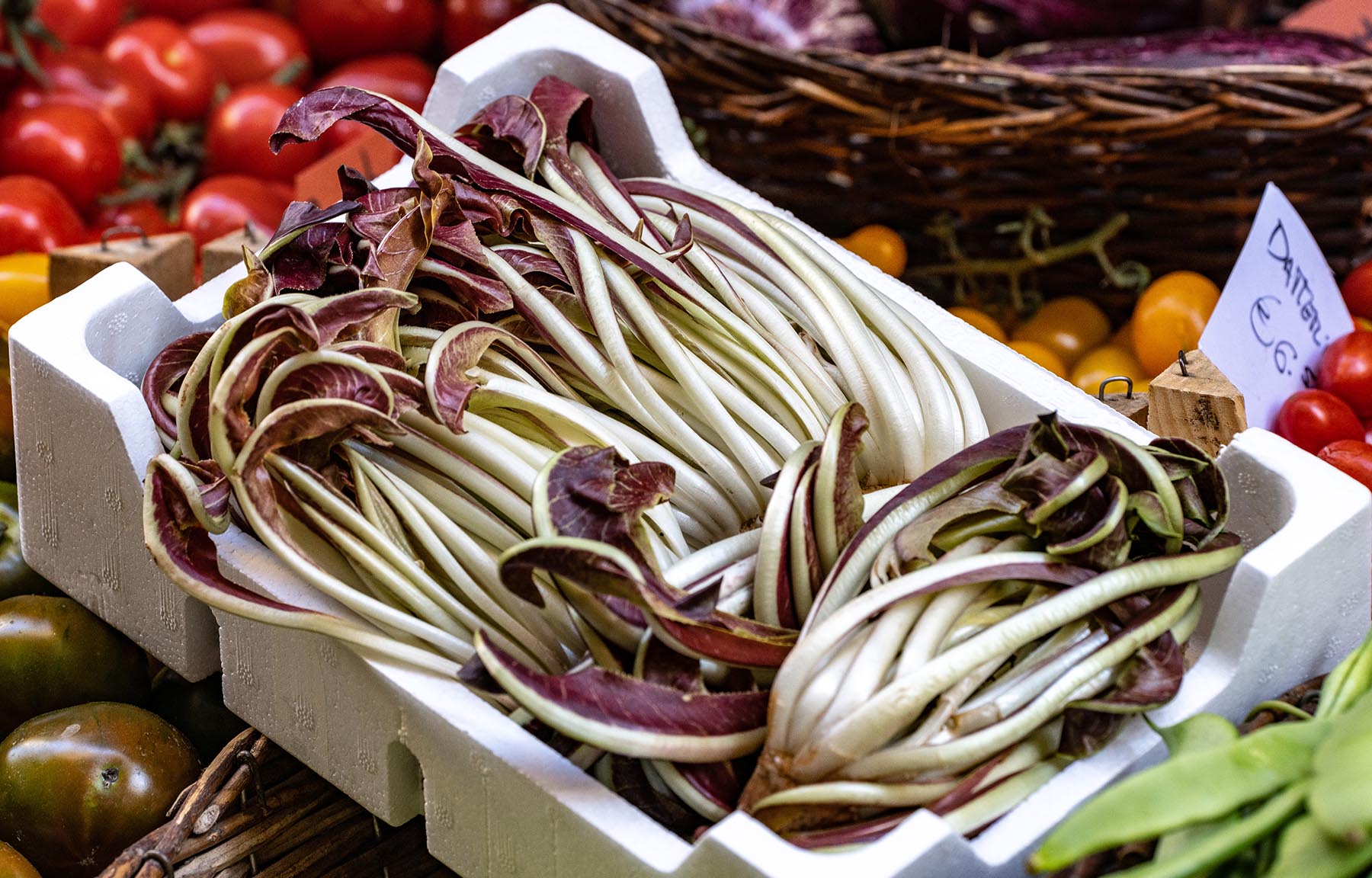
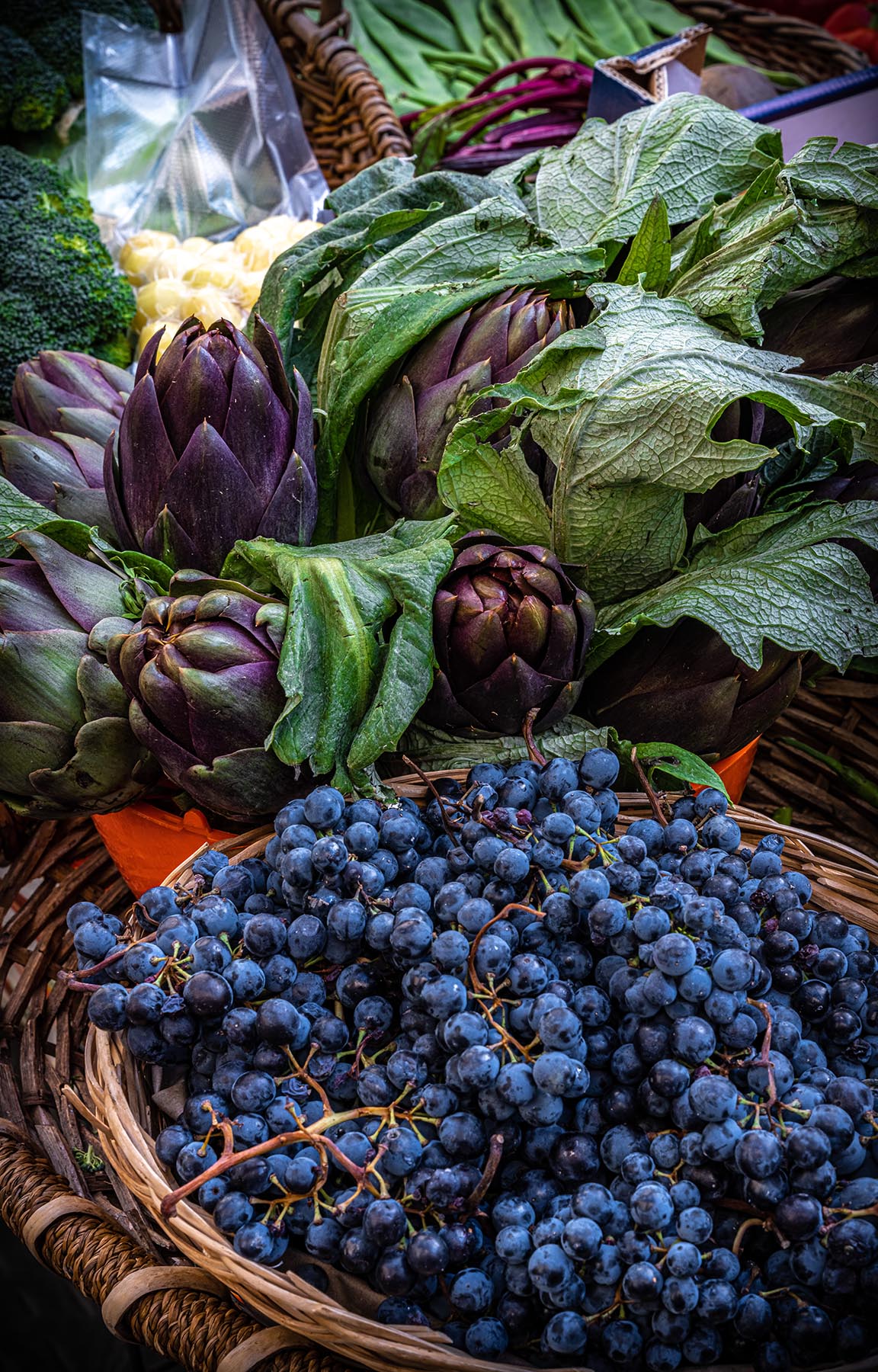
The fresh produce is also fantastic and all seasonal, so I know it’ll be of great quality. I’ve found my favorite produce stands, one where they have a large selection of mushrooms and other items, another with fresh fruit that they choose for me, always perfect ripeness, and another vendor, an older gentleman and his wife with some lovely beans, artichokes, tomatoes, and items not found with some of the other vendors.

Mercato Centrale
Mercato Centrale

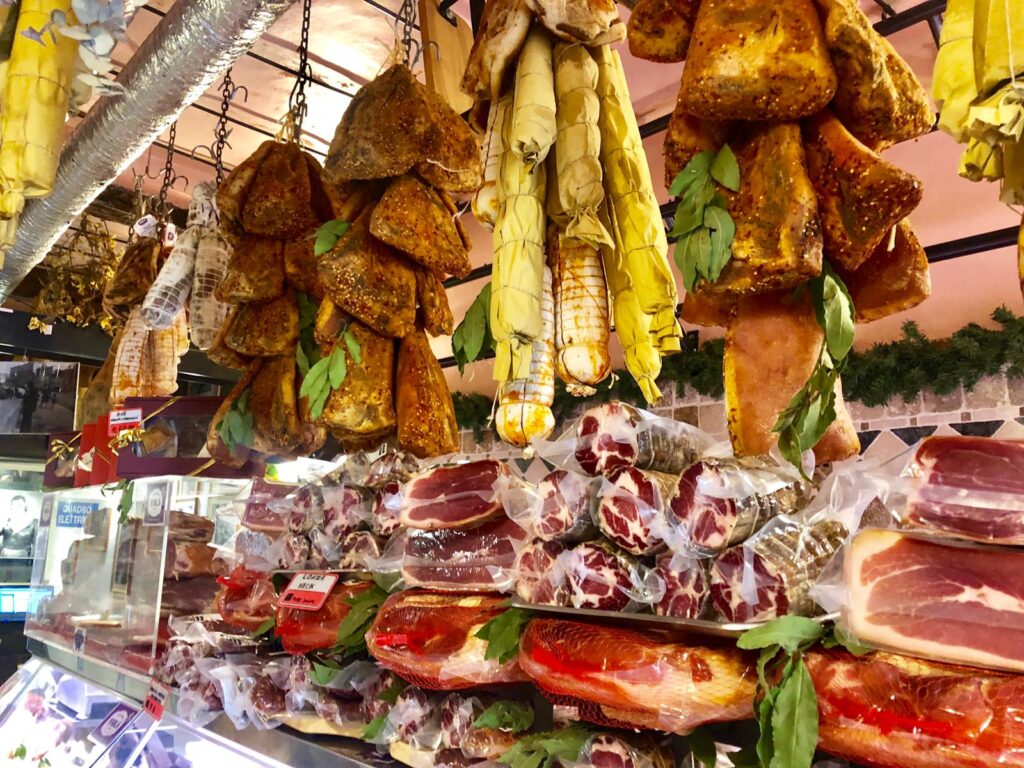
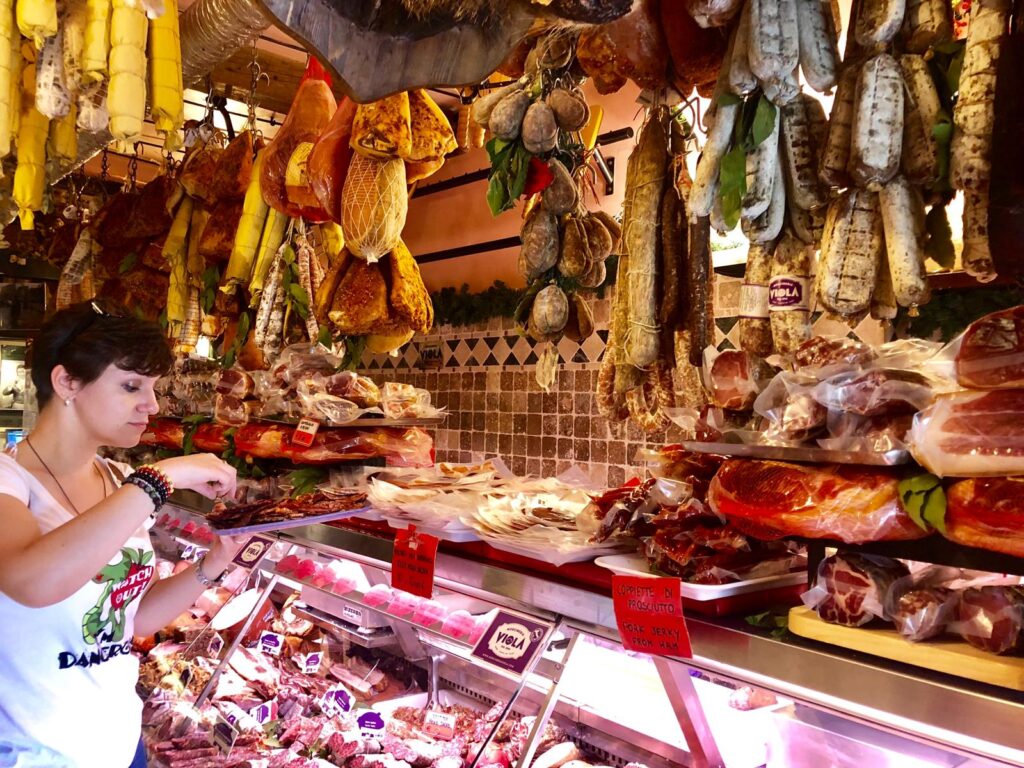
Then there are the formaggio and salumi stands where the samples are generous and the quality is excellent. But I need to watch out since I can get caught up in the excitement, and next thing I know, I’ve got more cheese and salumi than I know what to do with. Well, that’s not really true since I, of course, will happily devour it at some point.

All of this wonderfulness is downstairs, where most of the locals will shop, and much of it closes down by 1 or 2 PM.

Upstairs is more of a modern food court vibe, with a variety of stands making all sorts of Italian delicacies like pizza, pasta, cichetti, wine, juice bar, and more. This is a more touristy place with a more sanitized look, but if you’re looking for a quick bite without a lot of super long lines, then it’s a great place to go. You can still buy some meat and fish upstairs, but the prices are much higher than downstairs. One nice thing is it’s open till midnight, so you can go for a late-night bite and drinks at a pretty reasonable price.

-Rico Mandel, CEO, Miz En Place

Who is Rico Mandel?

Rico, the visionary founder and CEO of Miz En Place, embodies a lifelong journey fueled by passions for photography, filmmaking, culinary arts, business acumen, exploration, and entertainment. His mission is to unite people in support of artisanal small businesses worldwide. Rico eagerly welcomes the opportunity to share his compelling story and expertise, inspiring your culinary adventures and dreams.

Your Next Culinary Adventure Awaits – Let’s Create Something Unforgettable!

✈️ Fill out our custom Italy adventures trip interest form – Tell us about your travel style, interests, and dream experiences. We will hand-curate a personalized Miz En Place journey just for you—crafted with care, flavor, and unforgettable moments.

📧 Have questions? Email our friendly customer service team anytime, or try the live chat function on our site! We are here to guide you, share insider insights, and help turn your travel vision into reality.

Have you had the opportunity to visit Florence, Italy? Where did you go? What did you see? What did you eat? What were your thoughts and favorite moments? Let us know in the comments!
Walking, Eating, and Becoming Part of Florence, Italy – Part 2, Boboli Gardens and Palazzo Pitti

Boboli Gardens

One of those places that feels like an extension of my daily life in Florence is the Boboli Gardens and the magnificent Palazzo Pitti. Together, they form a space where time slows and the true spirit of Florence reveals itself. Let’s explore!

Boboli Gardens & Palazzo Pitti

On my last trip to Florence, I finally made it to the Boboli Gardens – and I can’t believe I waited this long. The place is massive. It was a warm day, and my daughter and I just went to explore the place. We didn’t do any research; we just showed up at the gate, paid our fee, and walked in. As we wandered around, we let the garden unfold before us. Choosing each path as we came to it. Do we go up or down, straight left or right? What’s that over there? Oh, let’s go and check it out. This was how we sauntered through this vast, spectacular space, allowing our experience to unfold before us and trusting we would eventually exit the gardens.

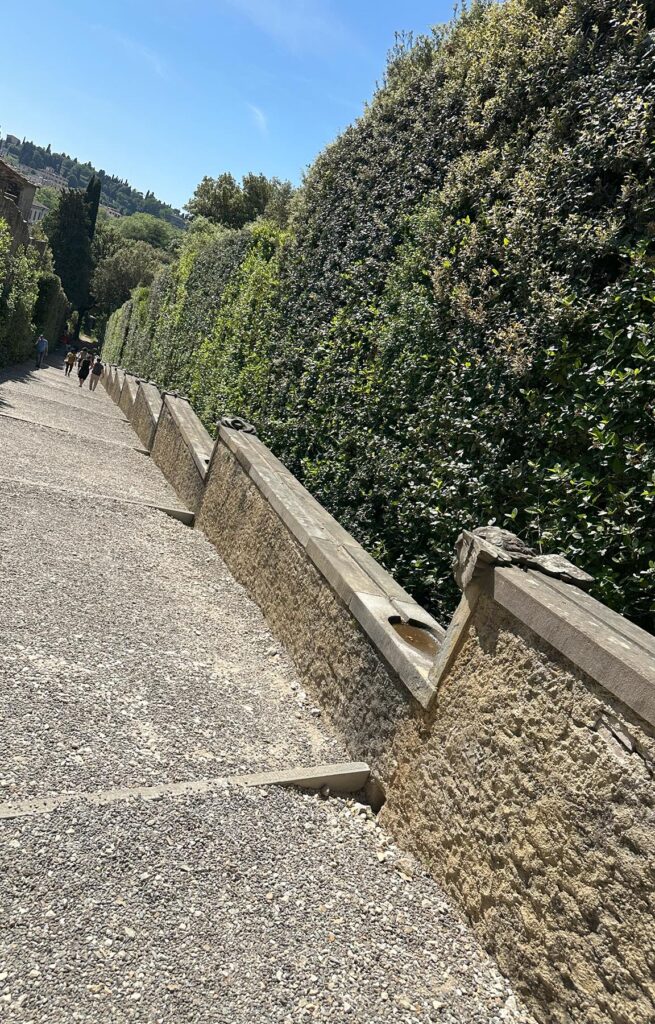
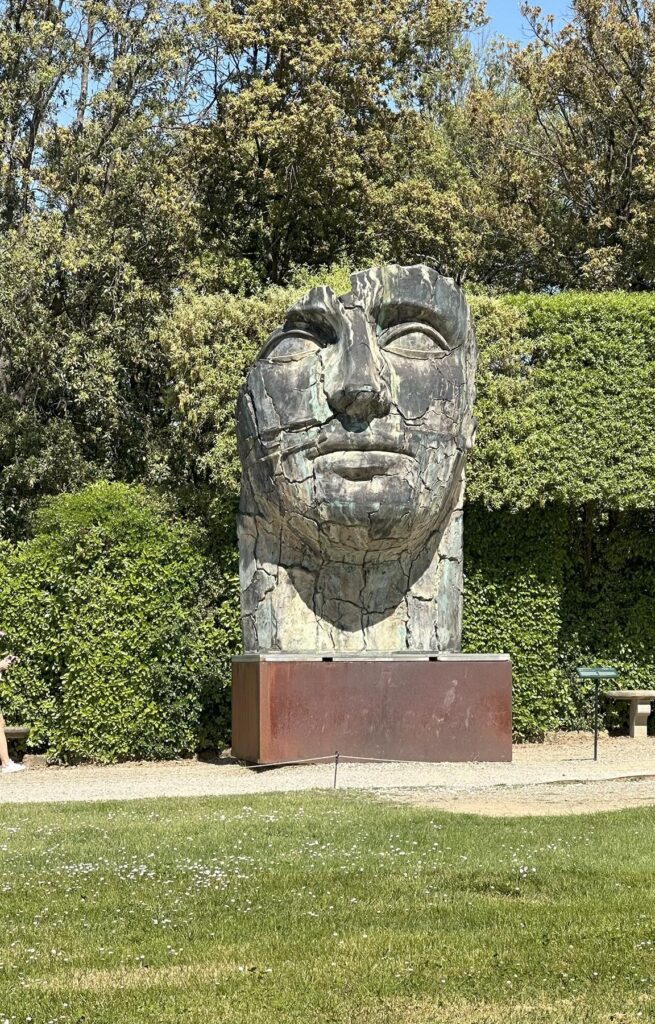
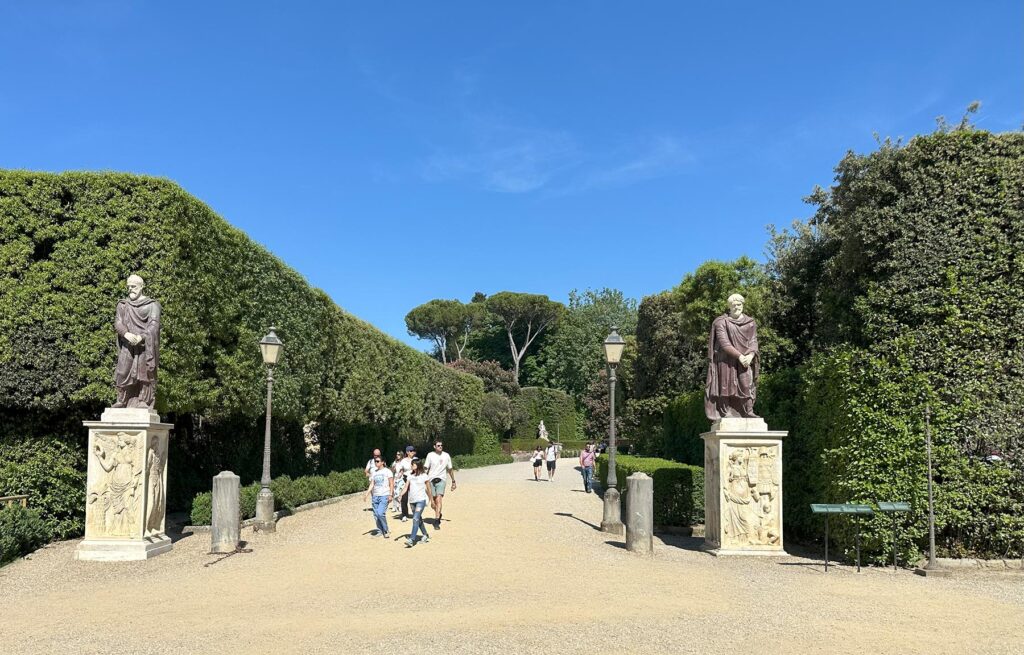
We saw so many varied species of plants, ways to train them, wild gardens, and manicured ones. Little-known paths that looked more like trails and finished walkways. Statues were hidden around the place, with plenty of places to sit in the shade.

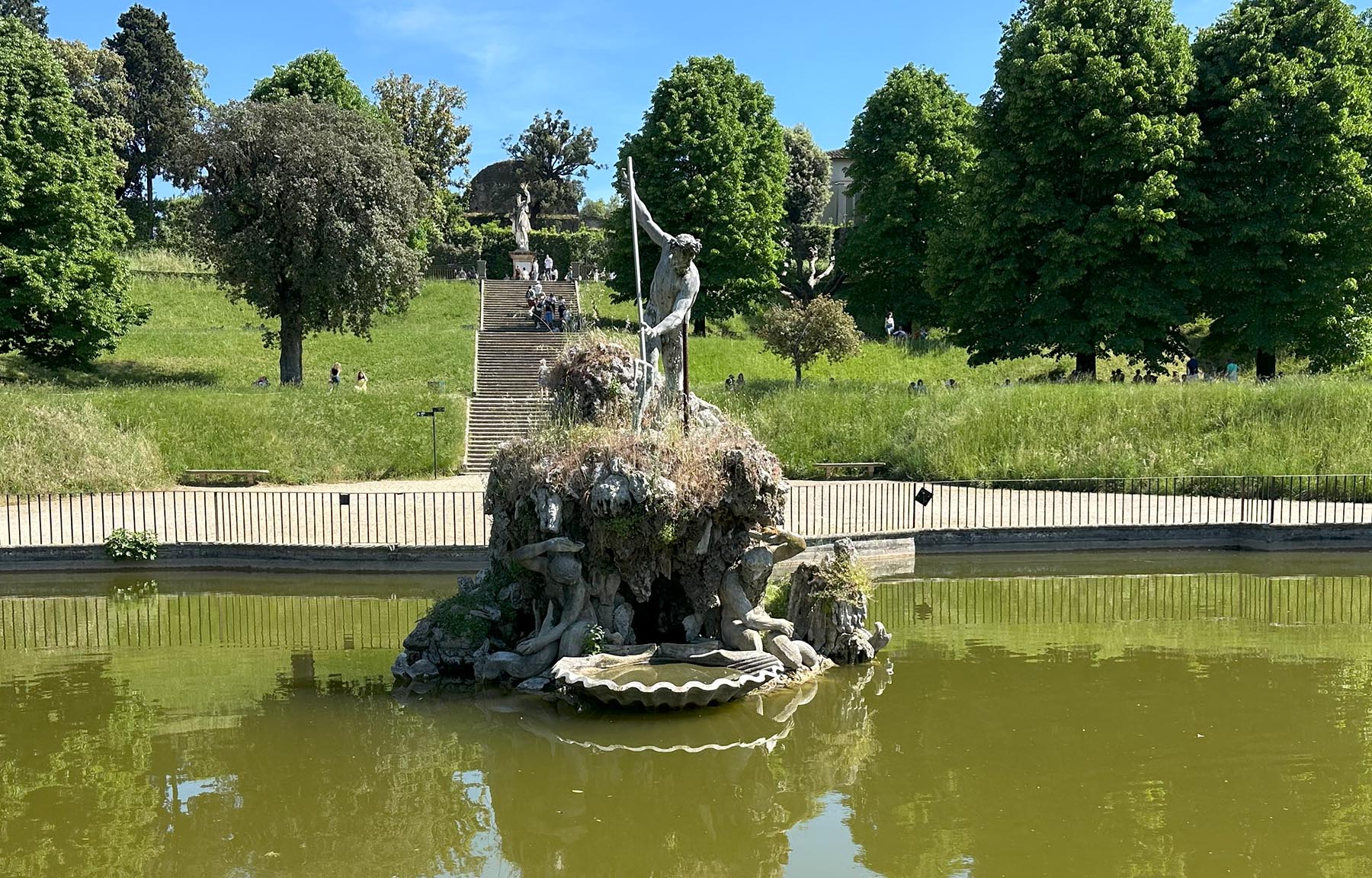
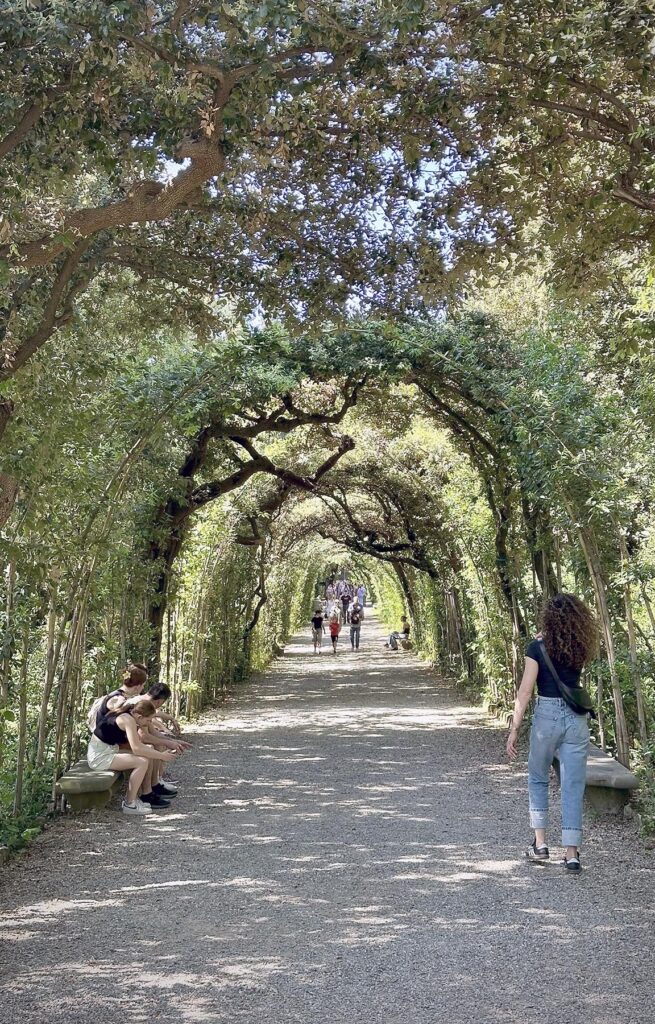
You could spend hours (and I mean hours) wandering through its fountains, elegant walkways, manicured hedges, and wilder, less-tamed stretches of green. Every turn feels like you’ve stepped into a new scene: hidden grottos, sweeping lawns, long walkways shaded with trained arches of trees, sculptures tucked into quiet corners.

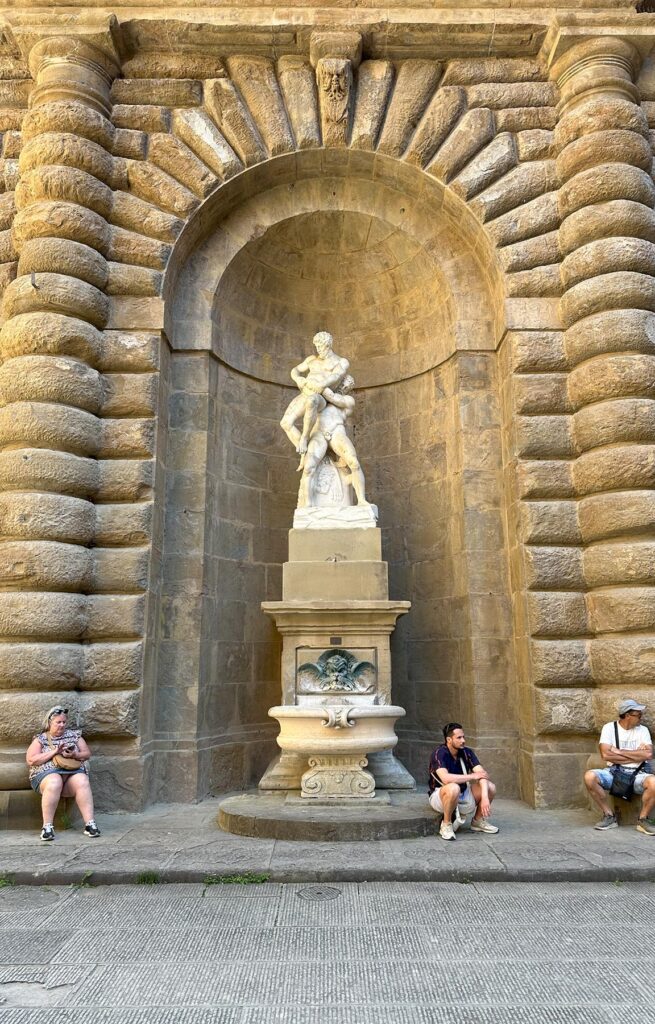
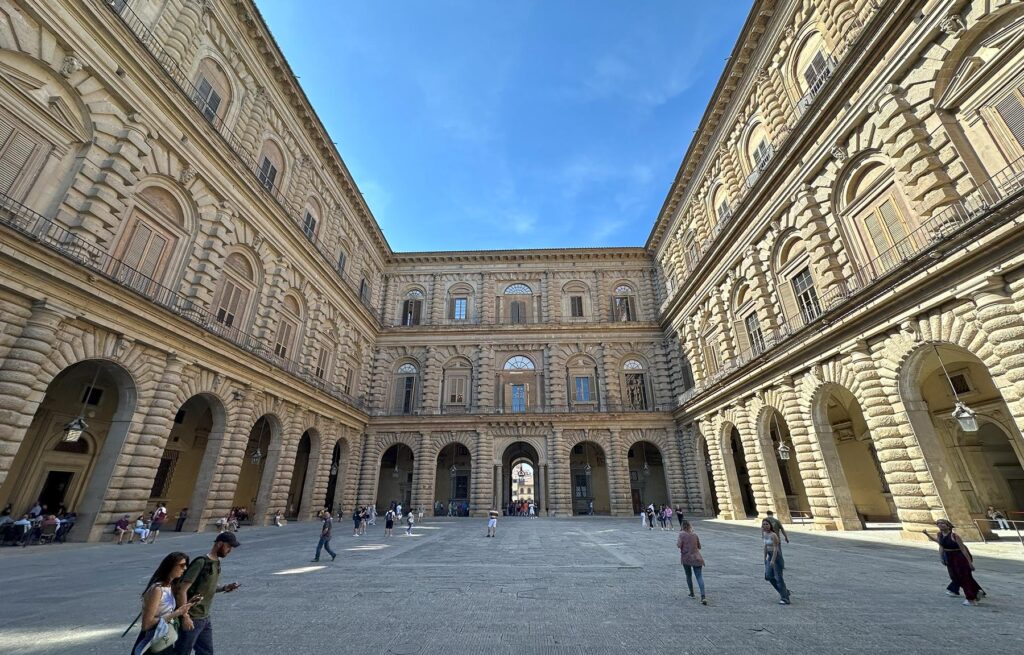
The gardens sit directly behind Palazzo Pitti, the grand palace built for the Pitti family in the 15th century and later taken over by the powerful Medici. You can enter the gardens through the palace, which is well worth a visit in its own right, but can be crowded if you don’t have a reservation, or you can continue up the Via Romana a couple of blocks to find the entrance to the Gardens themselves. If you go inside the Palazzo, you’ll find lavishly decorated rooms, priceless artworks, and a glimpse into the kind of opulence only the Medici could pull off.

Walking the Boboli is like strolling through a living museum of Renaissance landscape design. It’s not just pretty – it’s historic. The gardens influenced European garden design for centuries, inspiring the layout of many grand estates across the continent.

There are plenty of spots to relax and enjoy, explore and spend leisurely time enjoying a book, a picnic with your lover or family, or to paint, draw, or photograph.

One fascinating piece of history I stumbled across recently: in the 1950s, Florence – not Milan – was the center of Italian fashion. The very first post-war high-fashion shows were staged right here, in the Sala Bianca of Palazzo Pitti. Every April or May, designers showcased their collections in these opulent surroundings. The tradition continued until the 1980s, when Milan became the main stage for Italian fashion. But Florence still holds its place in the style world – today, men’s fashion shows are still hosted at Palazzo Pitti, and it’s also home to The Museum of Costume and Fashion.

It’s a must-see whether you’re there for the art, the gardens, or to soak up some Medici grandeur. And if you’re anything like me, you’ll need at least half a day to take it all in – and maybe a second visit to see what you missed the first time.

-Rico Mandel, CEO, Miz En Place

Who is Rico Mandel?

Rico, the visionary founder and CEO of Miz En Place, embodies a lifelong journey fueled by passions for photography, filmmaking, culinary arts, business acumen, exploration, and entertainment. His mission is to unite people in support of artisanal small businesses worldwide. Rico eagerly welcomes the opportunity to share his compelling story and expertise, inspiring your culinary adventures and dreams.

Your Next Culinary Adventure Awaits – Let’s Create Something Unforgettable!

✈️ Fill out our custom Italy adventures trip interest form – Tell us about your travel style, interests, and dream experiences. We will hand-curate a personalized Miz En Place journey just for you—crafted with care, flavor, and unforgettable moments.

📧 Have questions? Email our friendly customer service team anytime, or try the live chat function on our site! We are here to guide you, share insider insights, and help turn your travel vision into reality.

Have you had the opportunity to visit Florence, Italy? Where did you go? What did you see? What did you eat? What were your thoughts and favorite moments? Let us know in the comments!
Walking, Eating, and Becoming Part of Florence, Italy – Part 1, Basilica di San Miniato al Monte

Basilica di San Miniato al Monte

If you‘ve only seen Florence through the lens of a guidebook or a quick stop on a tour bus, you’ve missed her true beauty. It’s not that the Duomo, Uffizi Gallery, or Ponte Vecchio aren’t spectacular – they are – but the city’s soul lives elsewhere. It’s found in the rhythm of daily life, wandering the streets, finding your favorite café or bakery, and returning day after day, getting to know the people who work there. Striking up conversations with others as you sit in a café with your morning cappuccino and a cornetto, or in the late evening with a glass of wine and a cigar, watching life and the characters on the street as they saunter by. Or just exploring the streets in the opposite direction of the tourist areas to see the beautiful architecture while imagining what life was like centuries earlier. This is my Florence, the city I fell in love with back in 2021 when I lived there for a month. It’s where I became a local, lived my life as the Italians do, and made friends along the way. It’s a special place for me and a place where I return yearly and call a second home.

I wanted to share a few of my favorite places that have just become part of my life when I’m in Florence. Part 1 of this series features the incredible Basilica di San Miniato al Monte. Let’s dive in!

Basilica di San Miniato al Monte

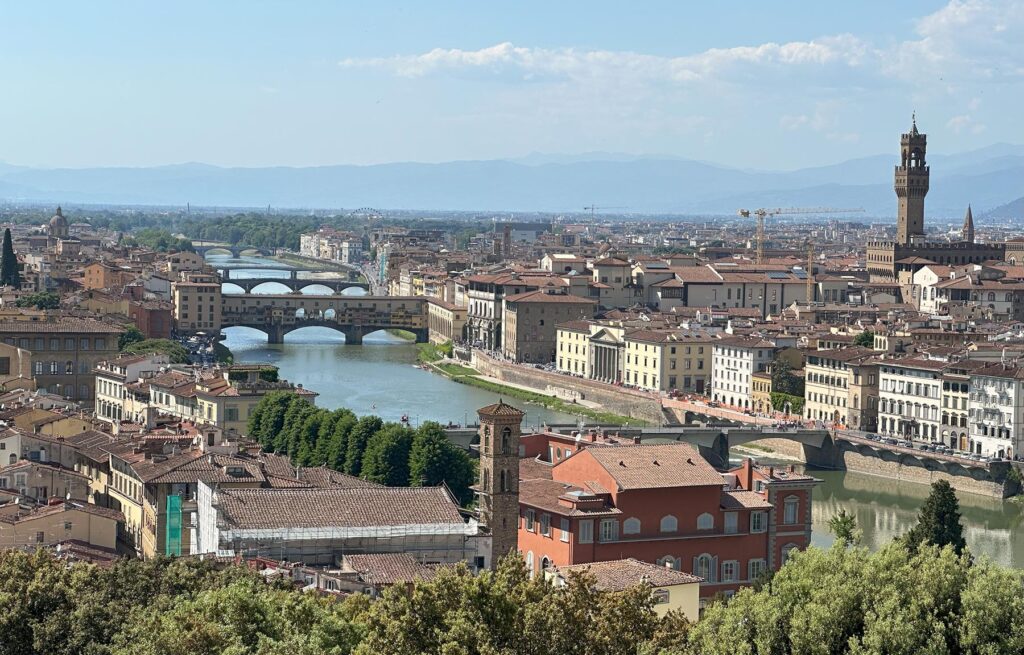
The walk up to Basilica di San Miniato al Monte is one of my favorite experiences in Florence. It’s a climb, yes – but worth every step. From the Centro Storico, taking you over the Ponte Vecchio through the going to your left past some of the shops to the Via de Bardi taking you along this old street lined with artisan shops such as perfumeries, old book makers and even what I like to call the “wizard shop” with it’s interesting clocks, jewelry and other knickknacks. One can only imagine the people who originally inhabited this part of Florence, horses tied up to the ornate iron rings on the sides of the buildings, and the people in their Renaissance period clothing walking the streets. This is a quiet part of Florence, less traveled by most tourists, and yet with a peaceful charm about it.

Continuing along, you come across a number of restaurants, and as one rounds the corner and proceeds up the street through the Porta San Miniato, one of the entrances through the old city, you come across what has become my go-to on this journey, Spazio Alimentari. It’s a great place to stop for a rest and lunch. I enjoy their house-made pasta and salads. They also serve pizza and a variety of other Tuscan favorites at a reasonable price. Always inviting. It’s not unusual for me to arrive there feeling a bit warm, so cooling down with an ice-cold beer is one of my go-tos.

As I wind my way up the street, I like to go through the terraced Rose Garden, the entrance can be found through a small opening in the wall. A favorite hangout for locals on sunny afternoons. People lounge with books, picnic with friends, or simply stretch out in the grass to soak up the view.

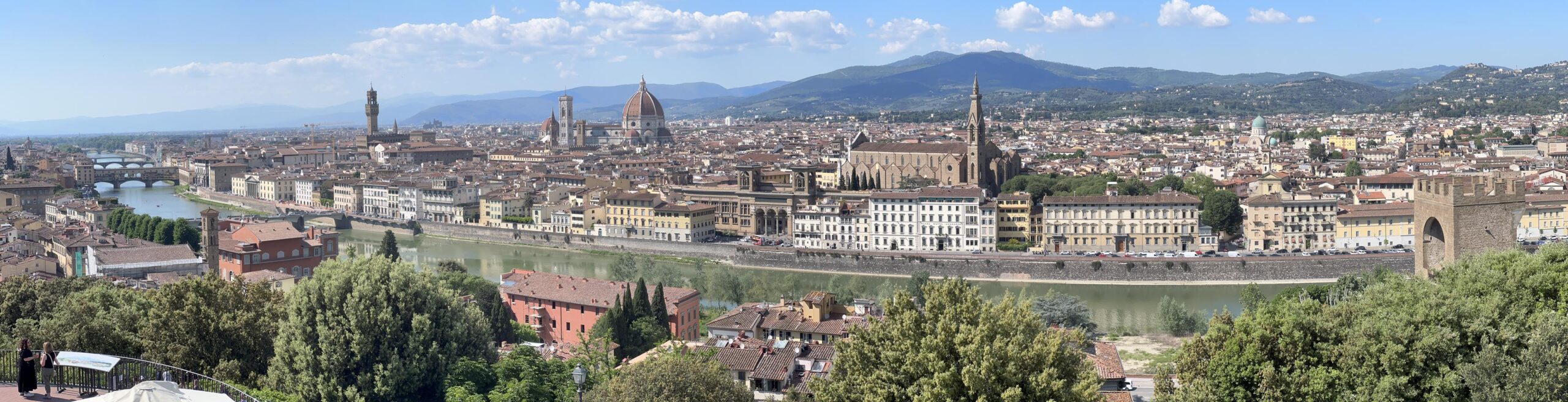
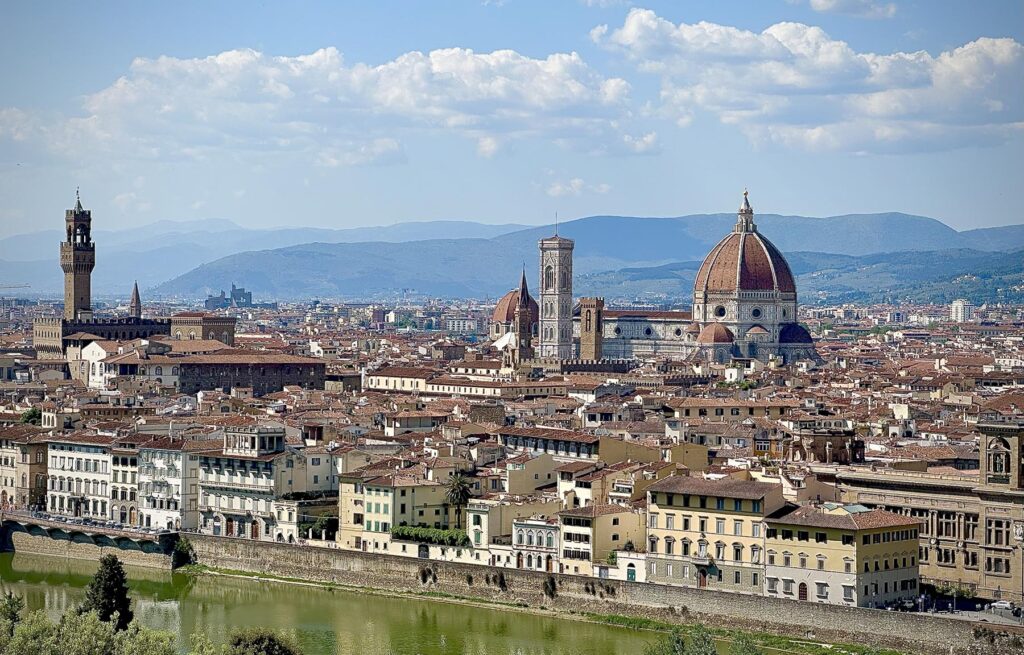
Continuing up, you reach Piazzale Michelangelo, the grand viewing terrace overlooking all of Florence. The view here is spectacular at any time of day, but it becomes magic at sunset. The city glows golden, the Arno glimmers, and you feel like you’re looking at a living Renaissance painting. There are a number of artisan vendors selling handmade leather items, jewelry, ceramics, cooking utensils, and more. In addition, there are also vendors selling the usual tourist items. It’s definitely worth a browse to pick up some unique items.

Piazzale Michelangelo panorama

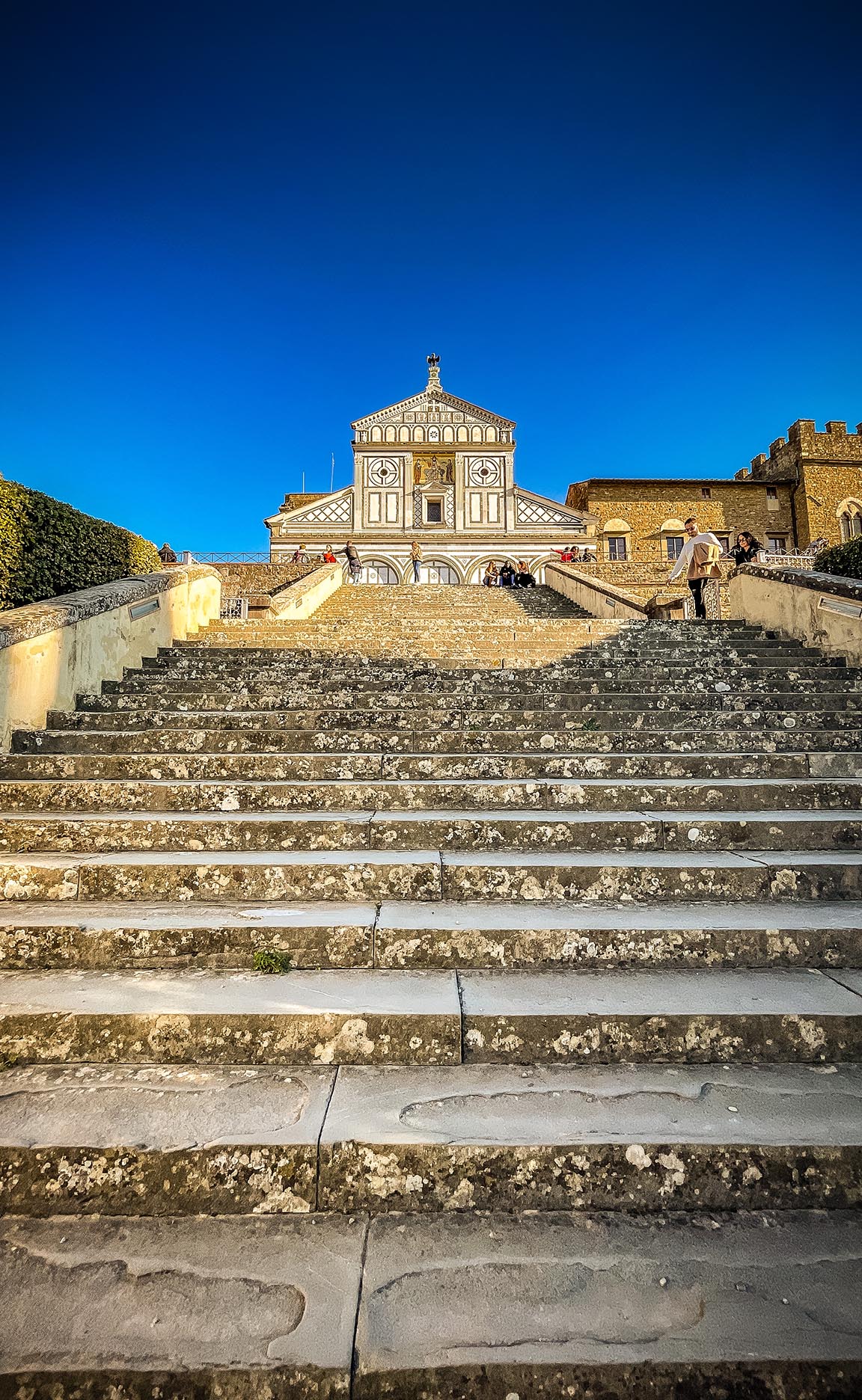
And lastly, a bit further up is the final climb to San Miniato al Monte. One can only imagine the parishioners making the climb up the broad stone stairs to attend services, celebrations, and funerals, and the Benedictine monks who have occupied, worshiped, and kept this beautiful sacred space well-maintained.

Basilica di San Miniato al Monte

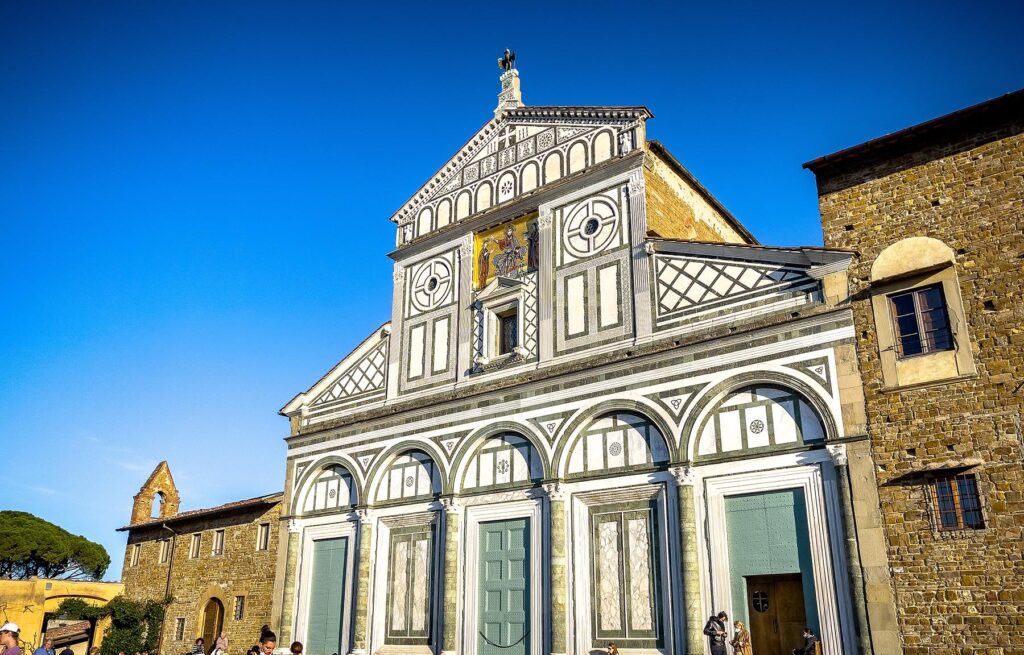
This is a pre-Renaissance basilica, founded in 1018, with construction taking 2 centuries to complete. The moment you step inside, you feel the difference. The air is cool, the light is soft, and the majestic ceiling stretches high with beautifully painted wooden beams supported by marble columns and arches. The space has a timeless stillness about it with ancient Byzantine-style frescoes clinging to the walls and a beautiful mosaic adorning the cupola above the pulpit, whispering stories that go back centuries.

Inside, toward the back, below the pulpit, are stairs leading down to the crypt containing the relics of Saint Minias hidden in a Romanesque altar. It’s dimly lit with three lancet windows and candles. There are benches to sit on, and it’s a nice, quiet place to meditate and reflect.

Behind the basilica lies one of the most beautiful cemeteries I’ve ever wandered through. Cimitero delle Porte Sante (The Sacred Doors Cemetery), inaugurated in 1848, is a place of stone angels, ornate monuments, and elaborate headstones – each one a piece of art. I’ve spent hours wandering through the monuments, taking in the history of decades past. One statue of 2 lovers, perhaps the ones who died together, sticks in my mind from my visits there. It’s definitely a place you want to allow plenty of time to wander through.

This is a great way to spend a day. Give yourself plenty of time to enjoy the walk, exploring along the various places of interest along the way, taking your time to take it all in at a leisurely pace.

-Rico Mandel, CEO, Miz En Place

Who is Rico Mandel?

Rico, the visionary founder and CEO of Miz En Place, embodies a lifelong journey fueled by passions for photography, filmmaking, culinary arts, business acumen, exploration, and entertainment. His mission is to unite people in support of artisanal small businesses worldwide. Rico eagerly welcomes the opportunity to share his compelling story and expertise, inspiring your culinary adventures and dreams.

Your Next Culinary Adventure Awaits – Let’s Create Something Unforgettable!

✈️ Fill out our custom Italy adventures trip interest form – Tell us about your travel style, interests, and dream experiences. We will hand-curate a personalized Miz En Place journey just for you—crafted with care, flavor, and unforgettable moments.

📧 Have questions? Email our friendly customer service team anytime, or try the live chat function on our site! We are here to guide you, share insider insights, and help turn your travel vision into reality.

Have you had the opportunity to visit Florence, Italy? Where did you go? What did you see? What did you eat? What were your thoughts and favorite moments? Let us know in the comments!
Dining Out in Italy: Useful Phrases Every Traveler Should Know

Dining Out in Italy: Useful Phrases Every Traveler Should Know

One of the greatest joys of visiting Italy is indulging in its world-famous cuisine – fresh pasta, perfect espresso, local wine, and decadent desserts served in charming trattorias and bustling piazzas. While many restaurants in tourist areas speak some English, knowing a few key Italian phrases can help to enrich your experience, show respect for local culture, and allow things to go much more smoothly.

Getting Seated

  • When you arrive, greet the host with a friendly “Buongiorno” (bwohn-JOHR-noh) – good day, or “Buonasera” (bwoh-nah-SEH-rah) – good evening.
  • If you don’t have a reservation: “Un tavolo per due, per favore.” (oon TAH-voh-loh pehr DOO-eh, pehr fah-VOH-reh) -A table for two, please.
  • If you do have a reservation: “Abbiamo una prenotazione.” (ahb-BYAH-moh OO-nah preh-noh-tah-TSYOH-neh) – We have a reservation.

Ordering Food and Drinks

  • Your server may ask: “Cosa desidera?” (KOH-sah deh-ZEE-deh-rah) – What would you like? or “Cosa prende?” (KOH-sah PREHN-deh) – What will you have?

Possible responses include:

  • “Vorrei…” (vohr-RAY) – I would like…
  • “Per me…” (pehr meh) – For me…

To ask for recommendations:

  • “Cosa consiglia?” (KOH-sah con-SEE-lyah) – What do you recommend?
  • “Qual è la specialità della casa?” (kwal EH lah speh-tsyah-lee-TAH DEL-lah KAH-zah) – What is the house specialty?

To ask for water:

  • “Vorrei un’acqua naturale, per favore.” – I would like still water, please.
  • “Vorrei un’acqua frizzante, per favore.” – I would like sparkling water (Acqua frizzante), please.

To ask for bread:

  • “Per favore, possiamo avere un pezzo di pane?” – Please, may we have a piece of bread?
  • “Che possiamo avere del pane in più, per favore?” – May we have some more bread, please?

Understanding the Menu

Italian menus are typically divided into:

  • Antipasti (ahn-tee-PAH-stee) – appetizers
  • Primi (PREE-mee) – first course (pasta, risotto, soup)
  • Secondi (seh-KOHN-dee) – main course (meat or fish)
  • Contorni (con-TOR-nee) – side dishes
  • Dolci (DOHL-chee) – desserts
  • Bevande (beh-VAHN-deh) – drinks

For dietary needs:

  • “Sono vegetariano/a.” (SOH-noh veh-jeh-tah-ree-AH-noh / -nah) – I’m vegetarian.
  • “Non posso mangiare…” (non POHS-soh mahn-JAH-reh) – I can’t eat…

During the Meal

To complement the food:

  • “È delizioso!” (eh deh-leet-TSYOH-zoh) – It’s delicious!
  • “Complimenti al cuoco!” (com-plee-MEN-tee ahl KWOH-koh) – Compliments to the chef!

Need something? Try:

“Mi scusi.” (mee SKOO-zee) – Excuse me.

“Può portarmi…?” (pwoh por-TAR-mee) – Can you bring me…?

Paying the Bill

NOTES: Typically, you will not be brought a bill until you request one. Tipping is appreciated but not required; rounding up or leaving a couple euros is common.

When you’re ready to pay:

  • “Il conto, per favore.” (eel KON-toh pehr fah-VOH-reh) – The bill, please.

To ask about card payment:

  • “Posso pagare con la carta?” (POHS-soh pah-GAH-reh con lah KAR-tah) – Can I pay with a card?

Even a few simple phrases can go a long way in making your dining experiences in Italy more enjoyable and immersive. Italians appreciate the effort, and you will likely be met with warm smiles and hospitality. So practice a few words, increase your appetite, and experience Italy one delicious bite at a time!

Your Next Culinary Adventure Awaits – Let’s Create Something Unforgettable!

✈️ Fill out our custom Italy adventures trip interest form – Tell us about your travel style, interests, and dream experiences. We will hand-curate a personalized Miz En Place journey just for you—crafted with care, flavor, and unforgettable moments.

📧 Have questions? Email our friendly customer service team anytime, or try the live chat function on our site! We are here to guide you, share insider insights, and help turn your travel vision into reality.

Do you learn phrases in the local language prior to travelling to another country? Let us know in the comments!

The Ancient Art of Charcuterie: What is it and where did it come from?

Charcuterie

Charcuterie, a term that has become synonymous with elegant meat and cheese boards, has deep historical roots and a rich culinary tradition. Originating from France, the word charcuterie is derived from chair (meaning “flesh” or “meat”), pronounced Shahr, and cuit (meaning “cooked”), literally translating to “cooked meat.” However, charcuterie is much more than just cooked meat—it is an ancient practice of preserving and preparing meats, primarily pork, using curing, smoking, and aging techniques that date back centuries.

The art of charcuterie can be traced back to ancient times when preserving meat was a necessity. Before refrigeration, people relied on curing with salt, smoking, and fermentation to extend the shelf life of meats. These methods preserved the meat and enhanced its flavors, giving rise to the delicious cured meats we enjoy today.

Charcuterie Boards

In medieval France, charcutiers (specialized butchers), pronounced Shahr-coo-tree, perfected the craft of preparing and preserving pork. By the 15th century, charcuterie became an official trade regulated by French guilds, ensuring high-quality products such as jambon (ham), saucisson (sausage), rillettes (potted meats), pronounced ri-let-tes, pâtés, and terrines. Charcutiers were forbidden from selling raw pork, as their specialty lay in transforming it into ready-to-eat delicacies through careful preparation and preservation.

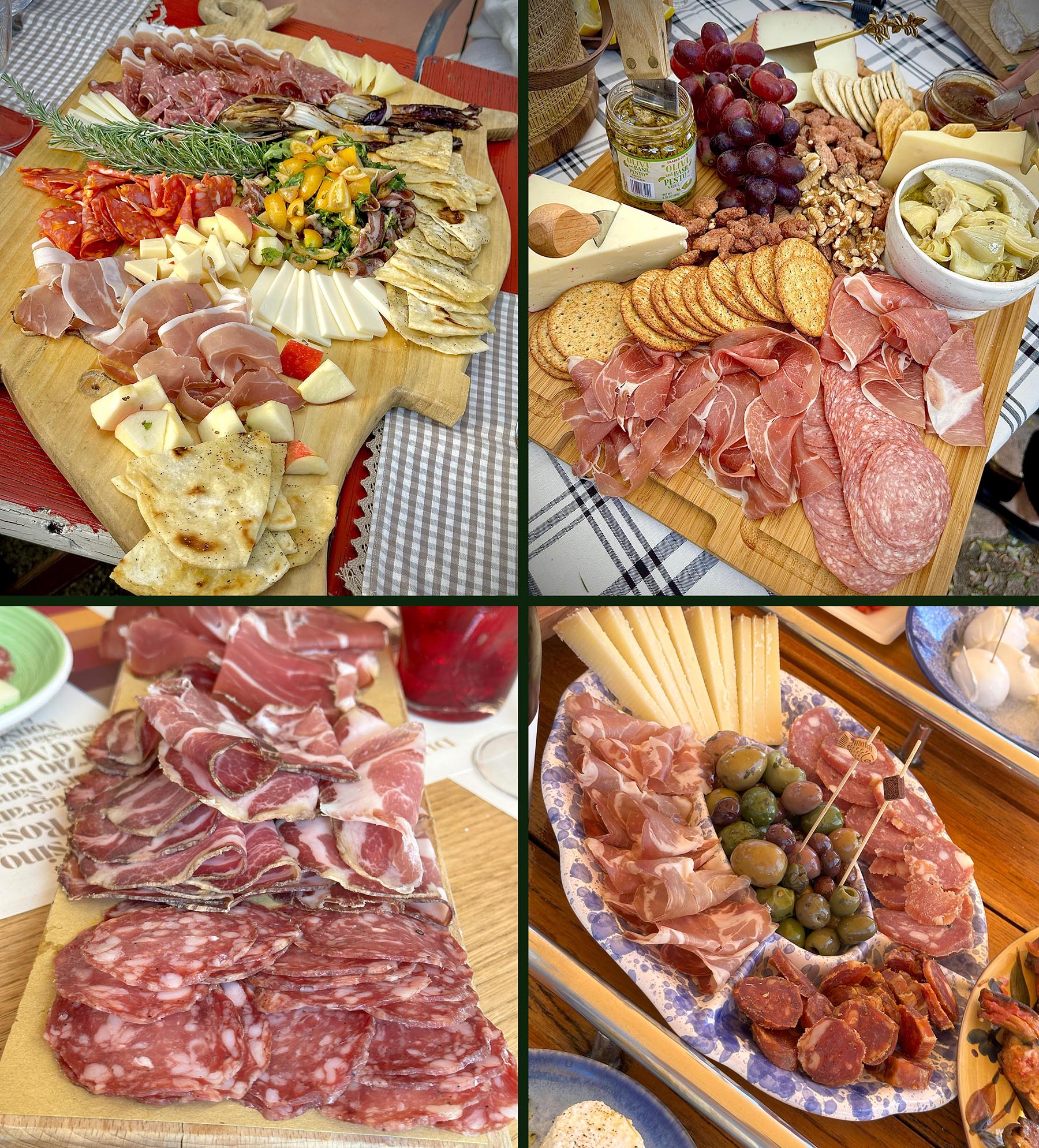
While traditional French charcuterie remains highly regarded, the concept has evolved significantly, especially in modern culinary culture, and they have expanded beyond their French origins to become a global trend. Instead of focusing solely on preserved meats, contemporary charcuterie boards often feature a variety of cheeses, crackers, bread, nuts, fruits, pickles, spreads, and even sweets, chocolate, or honey for added variety and depth of flavor.

Charcuterie is no longer limited to pork; many variations now include beef, lamb, poultry, and even plant-based alternatives to accommodate dietary preferences. Chefs and home entertainers alike have embraced charcuterie as an art form, carefully selecting ingredients that offer a balance of textures, flavors, and visual appeal. Social media and food photography have further popularized charcuterie, with people sharing beautifully arranged boards that showcase creativity and culinary craftsmanship.

Charcuterie appeals to both food enthusiasts and casual diners for several reasons. It provides a customizable and interactive dining experience, allowing people to sample a variety of flavors and pairings. It also encourages social interaction, as charcuterie boards are designed for sharing, making them a perfect choice for gatherings, wine tastings, and celebrations.

Charcuterie also aligns with the modern appreciation for artisanal and high-quality ingredients. Many charcuterie boards feature handcrafted, locally sourced meats and cheeses, connecting diners with traditional food-making techniques and regional specialties.

Charcuterie is a worldwide indulgence!

Charcuterie boards vary across cultures, showcasing regional cured meats, cheeses, and accompaniments, making an incredible variety of flavors worldwide!

Here are a few notable types from around the world:

France – Charcuterie Traditionnelle

  • Meats: Jambon de Bayonne (cured ham), Saucisson sec (dry-cured sausage), Rillettes (slow-cooked pork spread), Pâté
  • Cheeses: Brie, Roquefort, Comté
  • Extras: Cornichons, Dijon mustard, baguette, nuts

Italy – Salumi e Formaggi

  • Meats: Prosciutto di Parma, Coppa, Soppressata, Bresaola
  • Cheeses: Parmigiano-Reggiano, Gorgonzola, Pecorino
  • Extras: Grissini (breadsticks), olives, sun-dried tomatoes

Spain – Tabla de Embutidos

  • Meats: Jamón Ibérico, Chorizo, Lomo (cured pork loin), Fuet
  • Cheeses: Manchego, Idiazábal, Mahón
  • Extras: Marcona almonds, membrillo (quince paste), picos (small breadsticks)

Germany – Wurstplatte

  • Meats: Landjäger, Leberwurst (liver sausage), Blutwurst (blood sausage), Speck (smoked bacon)
  • Cheeses: Allgäuer Bergkäse, Limburger
  • Extras: Pretzels, mustard, pickled vegetables

USA – Modern Charcuterie

  • Meats: Smoked sausages, beef jerky, turkey pastrami
  • Cheeses: Wisconsin cheddar, Monterey Jack, Humboldt Fog
  • Extras: Honey, candied nuts, artisan crackers

Argentina – Picada

  • Meats: Jamón crudo, Salame tandilero, Morcilla (blood sausage)
  • Cheeses: Provolone, Queso de campo
  • Extras: Chimichurri, olives, pickles

Turkey – Şarküteri Tabağı

  • Meats: Pastırma (air-dried beef), Sucuk (spicy sausage)
  • Cheeses: Beyaz peynir (feta-like cheese), Kaşar
  • Extras: Dried figs, walnuts, Simit (sesame bread)

Greece – Meze Platter

  • Meats: Loukaniko (Greek sausage), Apaki (smoked pork)
  • Cheeses: Feta, Kefalotyri
  • Extras: Dolmades (stuffed grape leaves), olives, tzatziki

China – Cured Meat Platter

  • Meats: Lap Cheong (Chinese sausage), Jinhua ham, Duck breast
  • Cheeses: Not traditional, but tofu-based substitutes may be used
  • Extras: Pickled radish, soy sauce, tea eggs

Korea – Anju Board

  • Meats: Jokbal (pig’s trotters), Bossam (boiled pork), Spicy dried squid
  • Cheeses: Not common, but fusion boards may have processed cheese
  • Extras: Kimchi, gochujang, soju pairings

From its humble origins as a means of meat preservation to its modern-day status as a gourmet dining experience worldwide, charcuterie has come a long way. Whether enjoyed in a classic French charcuterie shop or on a meticulously crafted board at a dinner party, charcuterie remains a timeless and evolving culinary tradition. Its combination of history, craftsmanship, and indulgence ensures that charcuterie will continue to delight food lovers for generations to come.

What are your favorite charcuterie items? Let us know in the comments!

Discover Why Italy Should Be Your Next European Destination!

Italy

Are you craving a European getaway that awakens your senses and stirs your soul? Do you dream of strolling through timeless streets, savoring handmade pasta in a hilltop village, or laughing with locals over a glass of wine at a neighborhood trattoria? Italy is calling and promises more than just postcard views and famous landmarks. It delivers a rich blend of old-world charm and modern sophistication—all without overwhelming crowds or rushed itineraries.

Italy is a country of contrast and connection. Each region offers a distinct rhythm and flavor, from the peaceful vineyards of Tuscany to the rugged cliffs of the Amalfi Coast. You can lose yourself in ancient alleyways one moment and discover a contemporary art gallery the next. You can taste history in every bite of a traditional dish while sipping innovative cocktails in a bustling piazza. The beauty of Italy lies in its ability to be both deeply rooted and vibrantly alive. With Miz En Place, you can dive even deeper—join expert-led cooking classes, wine tastings, and culinary tours that bring Italy’s flavors and stories to life, connecting you with local artisans, chefs, and traditions in unforgettable ways.

But how do you plan a journey that feels fresh, personal, and unforgettable? The key is to travel with intention. Begin by deciding what kind of memories you want to make. Do you want long, lingering meals with artisans and chefs? Quiet mornings in a family-run inn? Adventures that happen off the typical tourist track? A well-designed trip balances structure with spontaneity. Leave room for surprises, but let a strong foundation guide your time.

Curating a seamless and soulful Italian adventure is more than picking the less-tourist-traveled cities. It is about creating space for serendipity—those magical, unscripted moments that stay with you long after the trip ends. Maybe it is a spontaneous detour to a village festival or an unexpected lesson in olive oil pressing from a friendly farmer. When your travels have room to breathe, they allow real connection.

Imagine yourself wandering through golden Tuscan hills and lush Umbrian valleys, savoring rich wines, hand-crafted cheeses, and regional specialties prepared by passionate local chefs. On our Flavors of Tuscany & Umbria vacation, you’ll enjoy immersive culinary experiences—cheesemaking, cooking classes, wine tasting, market tours, and intimate meals in charming villages—designed to connect you with the heart and soul of Italy. Want to keep the magic going? Add on our exclusive Palinuro coastal escape, where sun-soaked days, seafood feasts, and the sparkling Tyrrhenian Sea offer the perfect contrast to the countryside. It is the ultimate blend of flavor, culture, and relaxation—reserve your spot now before it fills up!

Our team has spent years crafting small, food-centered trips throughout Italy, and we have learned what makes a journey truly special. The best experiences are the ones rooted in local life. We curate experiences based on personal travel and relationships built from being on the ground. We know the right guides, which towns feel authentic yet welcoming, and how to stay, shop, cook, and eat like a local in every region. These are not cookie-cutter tours and vacations. These are deeply curated, meaningful escapes.

Italy offers more than a vacation. It provides a chance to reconnect—with culture, cuisine, and your own sense of wonder. Let us show you how.

Your Next Culinary Adventure Awaits – Let’s Create Something Unforgettable!

✈️ Fill out our custom Italy adventures trip interest form – Tell us about your travel style, interests, and dream experiences. We will hand-curate a personalized Miz En Place journey just for you—crafted with care, flavor, and unforgettable moments.

📧 Have questions? Email our friendly customer service team anytime, or try the live chat function on our site! We are here to guide you, share insider insights, and help turn your travel vision into reality.

Have you had the opportunity to visit Italy? Where did you go? What did you see? What did you eat? What were your thoughts and favorite moments? Let us know in the comments!
Faggots: A Tasty Traditional British Dish

British faggots

Faggots are a traditional dish originating from the United Kingdom, specifically tied to the regions of Wales, the West Midlands, and parts of England. These hearty, rustic meatballs are made from minced pork offal (such as liver and heart) mixed with breadcrumbs, onions, and herbs. The mixture is shaped into round balls, traditionally wrapped in caul fat, and baked or steamed. Faggots are often served with mashed potatoes, peas, and rich onion gravy, making them a comfort food staple in British cuisine.

Where did this dish get its name?

The name “faggot” comes from the Middle English word fagge, which means a bundle or cluster of items. This likely refers to the compact and rounded shape of the dish and the method of binding the ingredients together. The term was historically used to describe various bundles, including sticks or twigs. While the name has unrelated connotations in modern usage, its culinary origin remains rooted in its traditional meaning.

How did this dish gain popularity?

This dish emerged as a practical and economical way to use less desirable cuts of meat, particularly pork offal such as liver and heart. It was a staple for working-class families, especially in rural areas, where resourcefulness in cooking was essential. The use of every part of the animal reflects the “nose-to-tail” philosophy, which was common before industrialized food production.

Faggots gained prominence during times of economic hardship, such as the Industrial Revolution and World Wars, when frugality was a necessity. They were particularly popular in areas with strong pork production traditions, such as Birmingham and the Black Country. Street vendors and butchers would sell freshly made faggots to local communities, making them a staple of British working-class diets.

British faggots

Is this dish still enjoyed today?

Over time, faggots have transitioned from being seen as a purely utilitarian dish to a symbol of traditional British cooking. Though they fell out of favor with some due to changing tastes, there has been a resurgence of interest in faggots as part of a broader appreciation for regional and heritage foods. Today, they are enjoyed for their rich flavor and connection to British culinary heritage, with both homemade and commercially produced versions widely available.

Are you ready to explore worldwide cuisine in person? Book your next experience now!
Have you ever had a faggot? What did you think? Let us know your thoughts in the comments.

x