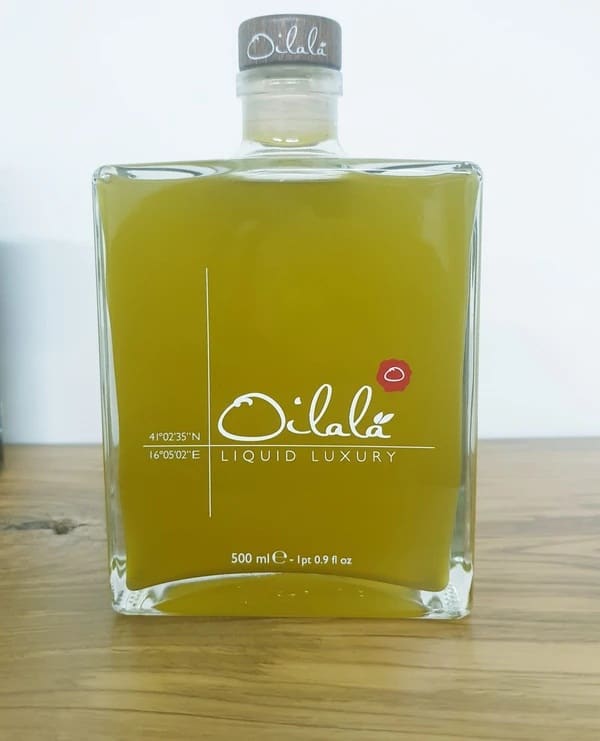
Oilala-500ml-Coratina-2020-harvest-gift-bottle_2.jpg

The Spirit of the Season in a Modena Panettone Cake
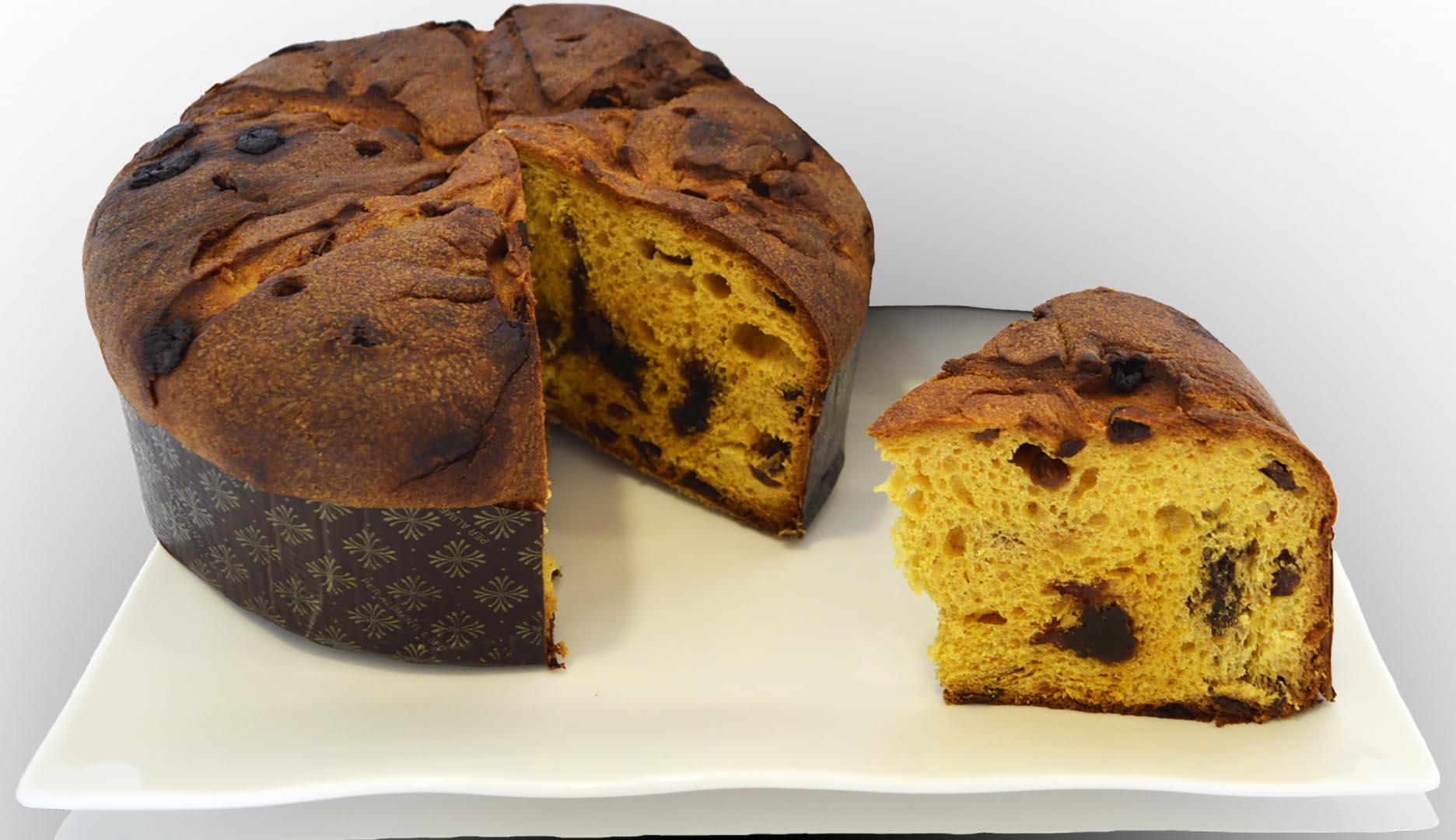
Panettone is a traditional Italian sweet bread that is most often enjoyed during the Christmas and New Year holidays. It is characterized by its tall, dome-shaped form and light, airy texture. The bread is enriched with butter, eggs, and sugar, and is typically filled with candied citrus peels, raisins, or other dried fruits. The long proofing and baking process gives panettone its delicate, sponge-like structure and distinctive flavor, which is both rich and subtly sweet.

The origins of panettone can be traced to Milan, Italy, where it was first created during the Renaissance period. Historical accounts suggest that it began as a luxurious bread prepared for festive occasions, symbolizing abundance and celebration. Over time, it evolved from a local specialty into a holiday staple across Italy and, eventually, around the world. The intricate process of making panettone, which requires multiple rounds of fermentation, reflects the artistry and patience inherent in Italian baking traditions.

Panettone holds deep cultural significance in Italy and among Italian communities worldwide. It represents unity, family, and celebration, as sharing this bread is a cherished custom during the holiday season. The act of slicing and distributing panettone at the table embodies generosity and togetherness, reinforcing its role as a symbol of joy and gratitude. Today, panettone remains more than just a dessert; it is a reminder of heritage, craftsmanship, and the spirit of festivity that brings people together during the most meaningful time of year.

Interested in trying a twist on this classic holiday cake?
The Guisti Modena Panettone Cake is a refined expression of Italian craftsmanship that blends traditional baking with the rich heritage of Modena’s balsamic artistry. Created in collaboration with the historic Acetaia Giusti, one of Italy’s oldest balsamic vinegar producers, this panettone stands out for its distinctive flavor profile and careful balance of sweetness and depth. The cake is prepared using a natural sourdough starter that undergoes a slow, multi-stage fermentation process, resulting in a light, fragrant crumb. Each loaf is enriched with butter, eggs, and candied fruit, then delicately infused with a ribbon of Giusti’s aged balsamic vinegar, which adds a complex, aromatic note that enhances the natural sweetness of the bread. The result is a luxurious holiday cake that reflects centuries of Italian tradition, where the art of baking meets the legacy of Modena’s culinary excellence. The Guisti Modena Panettone is not only a festive dessert but also a celebration of heritage, patience, and the timeless union of two masterful Italian crafts.
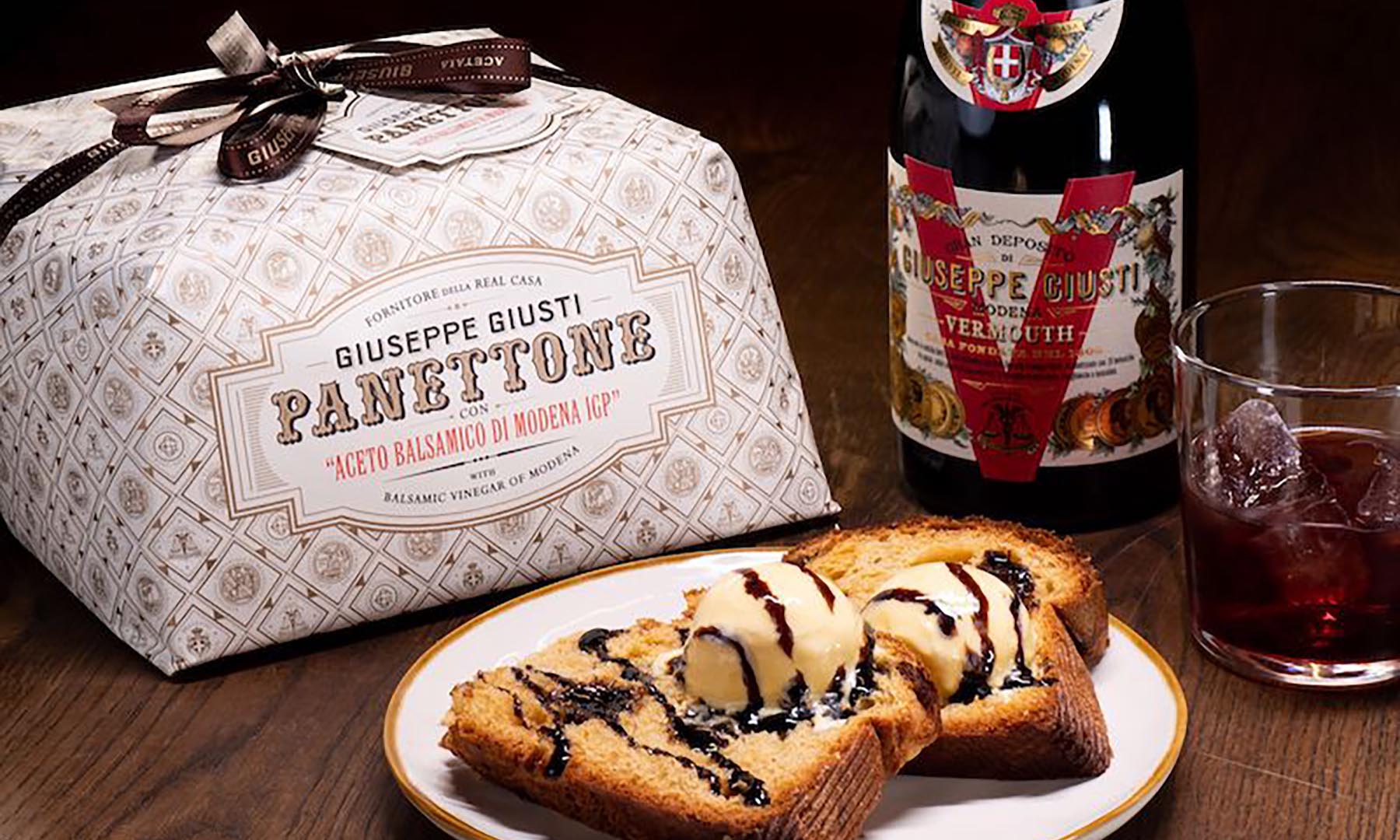
Panettone

Would you like to try making your own?

Here is a Traditional Panettone Recipe:

Yield: 1 large loaf

Preparation Time: About 24 hours (including proofing and rising)

Baking Time: 45–55 minutes

Ingredients

For the starter (if not using a sourdough starter):

  • 1/2 cup warm water (110°F)
  • 1 teaspoon sugar
  • 2-1/4 teaspoons active dry yeast (1 packet)
  • 1/2 cup all-purpose flour

For the dough:

  • 3-1/2 cups all-purpose flour (plus extra for kneading)
  • 1/2 cup sugar
  • 1/2 teaspoon salt
  • 4 large egg yolks
  • 2 whole eggs
  • 1 teaspoon pure vanilla extract
  • Zest of 1 orange
  • Zest of 1 lemon
  • 1/2 cup warm milk
  • 10 tablespoons unsalted butter, softened and cubed

For the fruit mixture:

  • 1 cup raisins
  • 1/2 cup chopped candied orange peel
  • 1/4 cup chopped candied lemon peel
  • 3 tablespoons rum or warm water for soaking

Instructions

  1. Prepare the starter: In a small bowl, combine the warm water, sugar, and yeast. Let sit until foamy, about 10 minutes. Stir in the flour to form a soft dough. Cover and let rise for 30–45 minutes, or until doubled in size.
  2. Prepare the fruit: Soak the raisins and candied peels in rum or warm water for at least 30 minutes. Drain well and pat dry with paper towels.
  3. Make the dough: In a large mixing bowl, combine the flour, sugar, and salt. Add the eggs, egg yolks, vanilla, zests, milk, and the risen starter. Mix until a soft dough begins to form. Gradually add the softened butter, a few cubes at a time, kneading continuously (by hand or mixer with a dough hook) until smooth and elastic—about 10–15 minutes. The dough should be slightly sticky but stretchy.
  4. First rise: Transfer the dough to a greased bowl, cover with plastic wrap, and let rise in a warm place until doubled in size, about 3–4 hours.
  5. Add the fruit: Gently knead the soaked fruit into the risen dough until evenly distributed. Shape into a smooth ball.
  6. Second rise: Place the dough into a panettone mold or a tall round baking pan lined with parchment paper (6-inch wide, 5-inch high). Cover lightly and let rise again until the dough reaches just below the rim of the mold, about 4–6 hours.
  7. Bake: Preheat the oven to 375°F (190°C). Score a shallow “X” on top of the dough and place a small cube of butter in the center. Bake for 45–55 minutes, or until golden brown and a skewer inserted in the center comes out clean. If the top browns too quickly, cover it loosely with foil.
  8. Cool: To preserve its tall structure, hang the panettone upside down using skewers through the base and suspend it between two supports until completely cool (about 6 hours). This step prevents collapse and keeps the crumb airy.
  9. Serving and Storage: Once cooled, wrap the panettone tightly in plastic wrap and store it in an airtight container. It stays fresh for up to a week. Serve sliced, plain, or toasted with butter or mascarpone cream.

Happy holidays!

Your Next Culinary Adventure Awaits – Let’s Create Something Unforgettable!

✈️ Browse our vacations, tours, culinary classes, and other experiences; or fill out our custom Italy or Greece adventures trip interest form – Tell us about your travel style, interests, and dream experiences. We will hand-curate a personalized Miz En Place journey just for you—crafted with care, flavor, and unforgettable moments.

📧 Have questions? Email our friendly customer service team anytime, or try the live chat function on our site! We are here to guide you, share insider insights, and help turn your travel vision into reality.

Let us know your thoughts on Panettone in the comments!
What is Ruby Chocolate?

What is Ruby Chocolate?

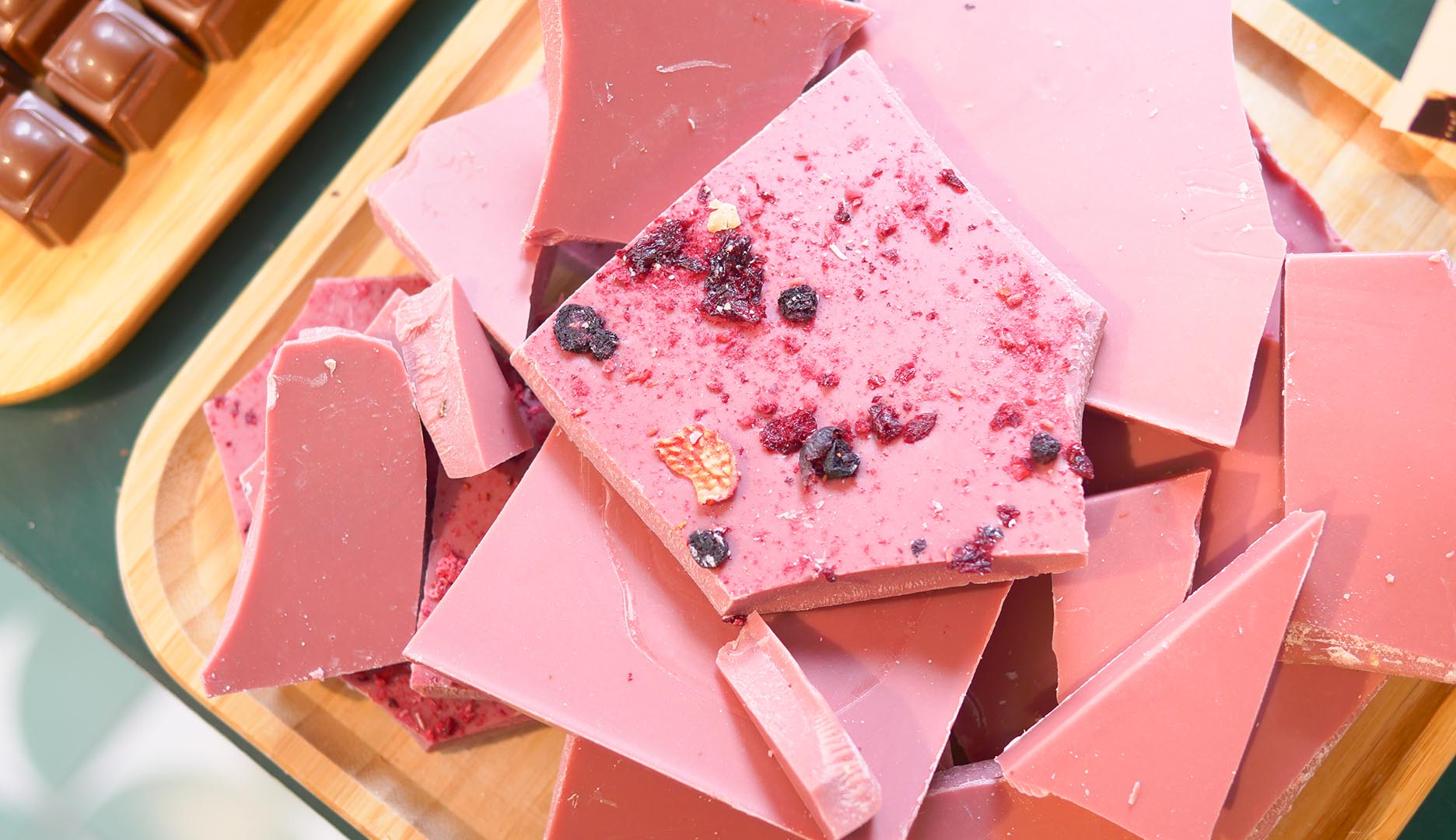
Ruby chocolate is a relatively new type of chocolate celebrated for its unique pink hue and distinctive tangy fruity flavor. The invention and launch of ruby chocolate marked a major milestone in the chocolate industry, offering a new sensory experience with its combination of creamy texture, fruity tartness, and visually striking appearance. Introduced in 2017 by the Swiss company Barry Callebaut, ruby chocolate is often described as the fourth type of chocolate, joining dark, milk, and white varieties.

Ruby chocolate originates from the careful selection and processing of ruby cocoa beans, which are grown in traditional cocoa-producing regions such as Ivory Coast, Ecuador, and Brazil. These regions provide the ideal climate and soil conditions for cultivating cocoa, including the specific types of beans used to create ruby chocolate. It is made from ruby cocoa beans, which are not a distinct variety of cocoa but rather a specific selection of beans that possess natural reddish tones. The vibrant color and flavor are brought out through a specialized processing method, which remains a closely guarded trade secret.

The creation of ruby chocolate is the result of over a decade of research and innovation by Barry Callebaut. The beans’ unique properties are preserved during processing to produce the chocolate’s signature pink color and tangy, berry-like flavor, all without the use of added colors or flavorings. This groundbreaking development in the chocolate industry has its roots in the expertise of cocoa cultivation and advanced manufacturing techniques, making ruby chocolate a distinctive product with global appeal.

What does ruby chocolate taste like?

Ruby chocolate has a distinct flavor profile that sets it apart from dark, milk, and white chocolate. The flavor is often described as fruity and tangy, with subtle berry-like notes reminiscent of raspberries or red currants. It is less sweet than white chocolate but not as intense or bitter as dark chocolate, offering a balance that appeals to a wide range of palates.

Its creamy texture complements its tangy flavor, creating a unique sensory experience. What makes ruby chocolate particularly intriguing is that its fruity notes and pink hue come naturally from the ruby cocoa beans and the special processing method used, with no added fruit flavors or colors. This combination of taste and appearance has made ruby chocolate popular for both eating on its own and using in creative desserts and confections.

How do you use ruby chocolate?

Ruby chocolate can be used much like other types of chocolate in a variety of culinary applications. Its unique flavor and vibrant hue make it especially appealing for creative and visually striking desserts.

  • Confections: It can be molded into bars, truffles, or bonbons, either on its own or paired with complementary flavors like berries, nuts, or citrus.
  • Baking: Ruby chocolate can be incorporated into cookies, cakes, brownies, or tarts, adding a subtle tangy flavor and a pop of color. It is often used for decorative drizzles, glazes, or as a filling.
  • Ganache and Mousse: Its creamy texture works well in ganaches, mousses, and other smooth, rich fillings.
  • Coating and Dipping: Ruby chocolate is ideal for coating fruits, nuts, or biscuits, or for dipping items like pretzels or marshmallows.
  • Drinks: It can be melted into warm milk or cream to create a ruby hot chocolate or used in milkshakes and cocktails for a distinctive flavor and color.

While ruby chocolate can generally be substituted for white, milk, or dark chocolate, its tart, fruity taste might not work in all recipes. It pairs best with flavors that enhance or complement its unique profile, such as berries, vanilla, or citrus.

Have you ever had ruby chocolate? What did you think? Let us know in the comments!

Southern Tuscany: Where Time Slows and Flavor Deepens

Val d’Orcia

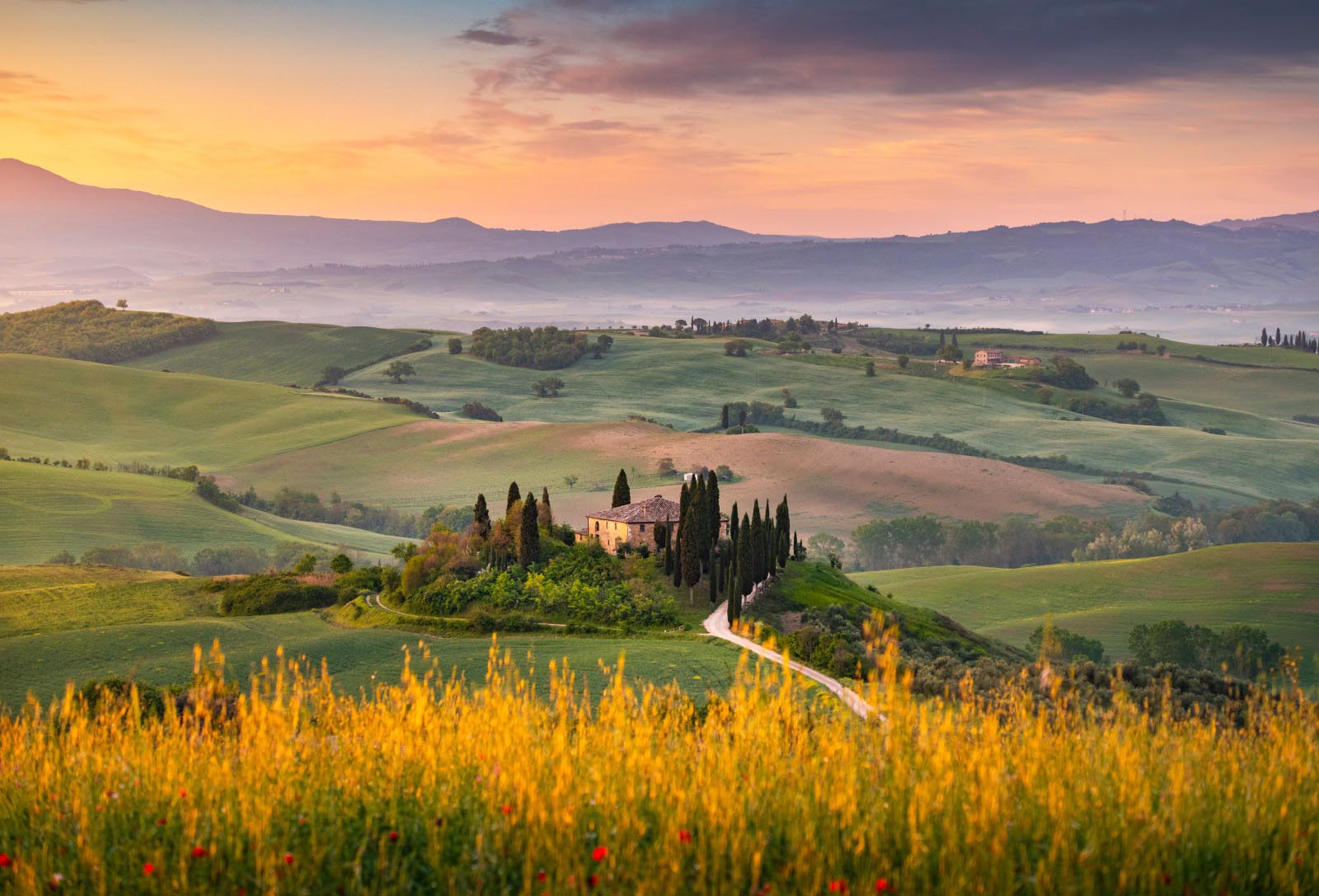
Southern Tuscany offers a timeless, soul-soothing escape ideal for those who embrace slow travel. Unlike its busier northern neighbors, this region remains refreshingly unhurried, where cypress-lined roads meander through golden hills, and every sunset seems to linger just a little longer. The pace of life here isn’t rushed – it is savored. Days unfold gently, with each small town revealing its quiet charm and locals always ready to share a story, a glass of wine, or a recommendation for lunch.

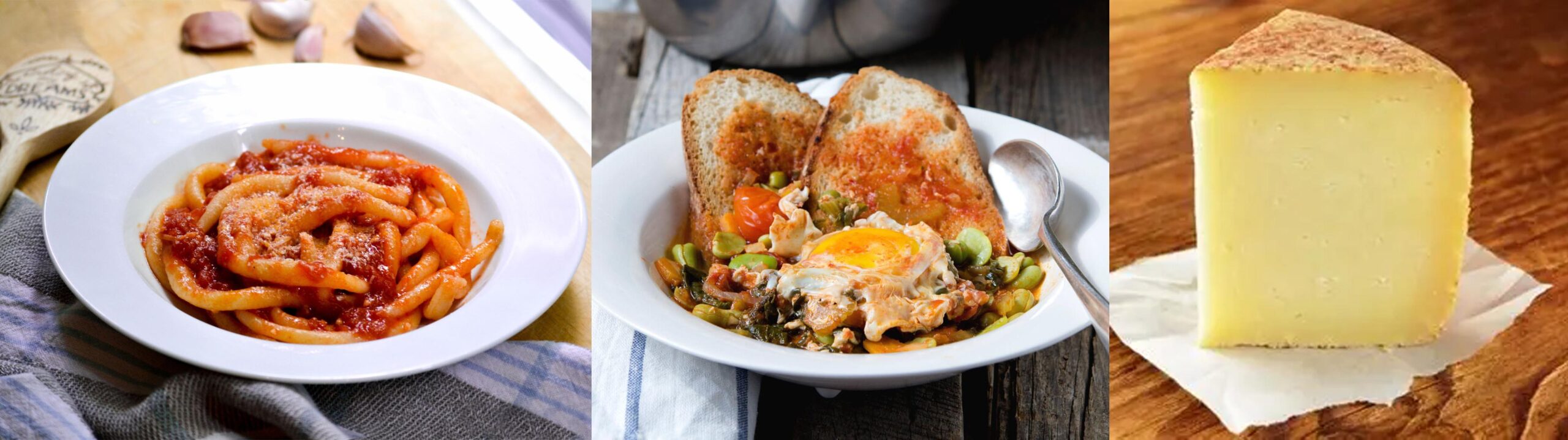
The food alone is reason enough to stay awhile. Here, you will find rustic dishes rooted in the land, like pici pasta (a thick hand-rolled noodle) served with hearty ragù or simple aglione sauce made with local garlic. Try acquacotta, a traditional shepherd’s soup of vegetables and poached egg, or indulge in pecorino di Pienza, a cheese whose flavor deepens with age and is best paired with local honey or truffle paste. Pair these delights with a glass of Vino Nobile di Montepulciano or Morellino di Scansano, two regional wines often overlooked by tourists rushing to Chianti.

Southern Tuscany Foods

Away from the well-worn paths of Siena and Florence, Southern Tuscany rewards the curious traveler with hidden treasures. The town of Pitigliano, known as “Little Jerusalem,” rises dramatically from volcanic tufa stone, its ancient Jewish quarter and cave dwellings whispering centuries of layered history. In Sovana and Sorano, narrow medieval lanes wind through towns seemingly untouched by time. The free and naturally heated Saturnia hot springs offer a rejuvenating soak beneath open skies.

Explore Val d’Orcia, a UNESCO World Heritage site where rolling fields and isolated farmhouses compose landscapes worthy of Renaissance paintings. Stroll through Bagno Vignoni, where the central square is a steaming thermal pool rather than a piazza. Or visit Monticchiello, a postcard-perfect village with cobbled streets and an annual community theater festival that locals produce and perform themselves.

In Southern Tuscany, the journey is never about ticking boxes. It is about losing track of time, savoring each flavor, and gently and thoroughly letting the land draw you in.

Your Next Culinary Adventure Awaits – Let’s Create Something Unforgettable!

✈️ Browse our vacations, tours, culinary classes, and other experiences; or fill out our custom Italy or Greece adventures trip interest form – Tell us about your travel style, interests, and dream experiences. We will hand-curate a personalized Miz En Place journey just for you—crafted with care, flavor, and unforgettable moments.

📧 Have questions? Email our friendly customer service team anytime, or try the live chat function on our site! We are here to guide you, share insider insights, and help turn your travel vision into reality.

Have you had the opportunity to visit Southern Tuscany? What did you think? Let us know in the comments!

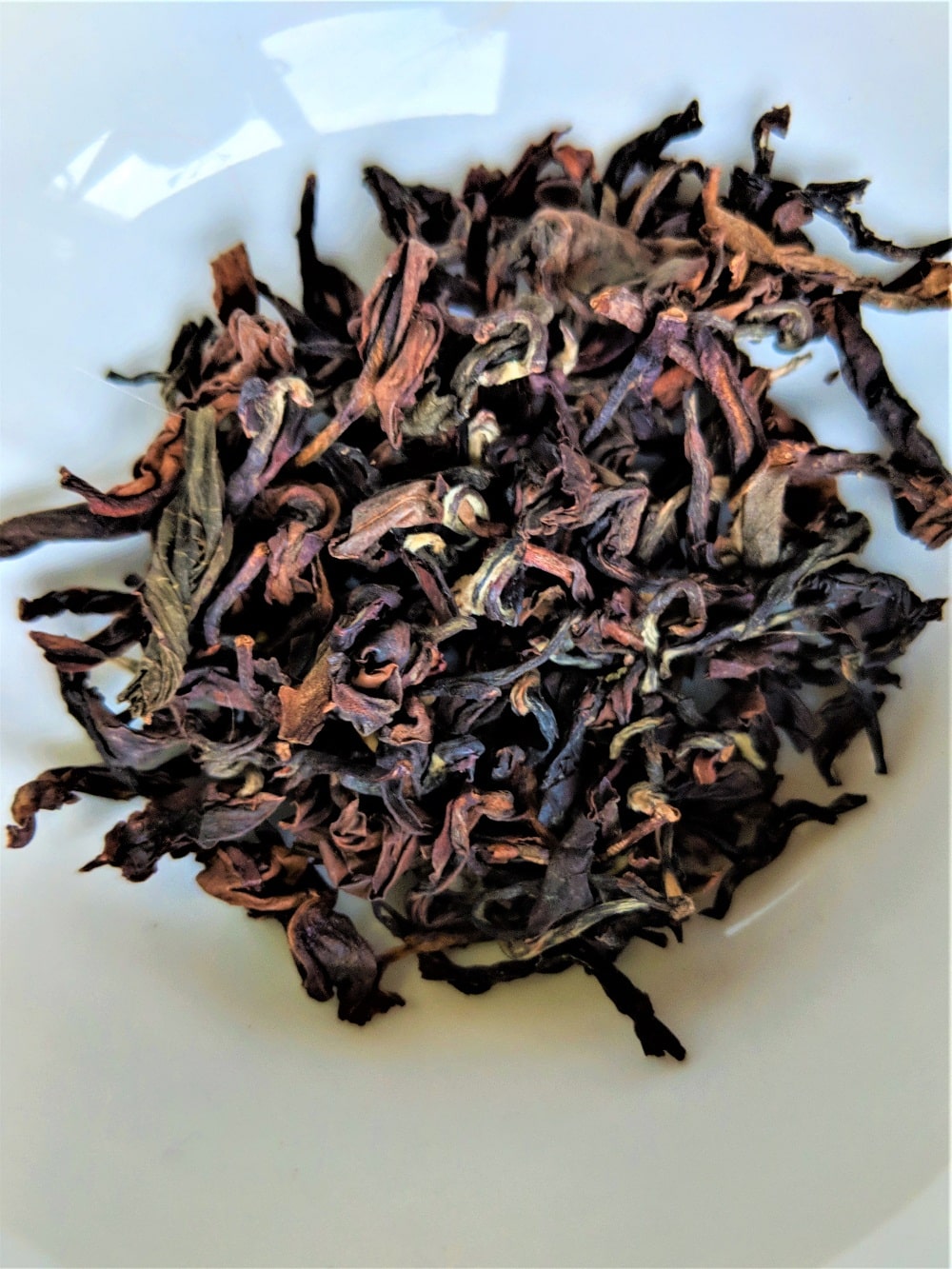
oolong-tea-box14.jpg

Chianti Classico: Tuscany’s Historic Heart of Sangiovese

Chianti Classico: Tuscany’s Historic Heart of Sangiovese

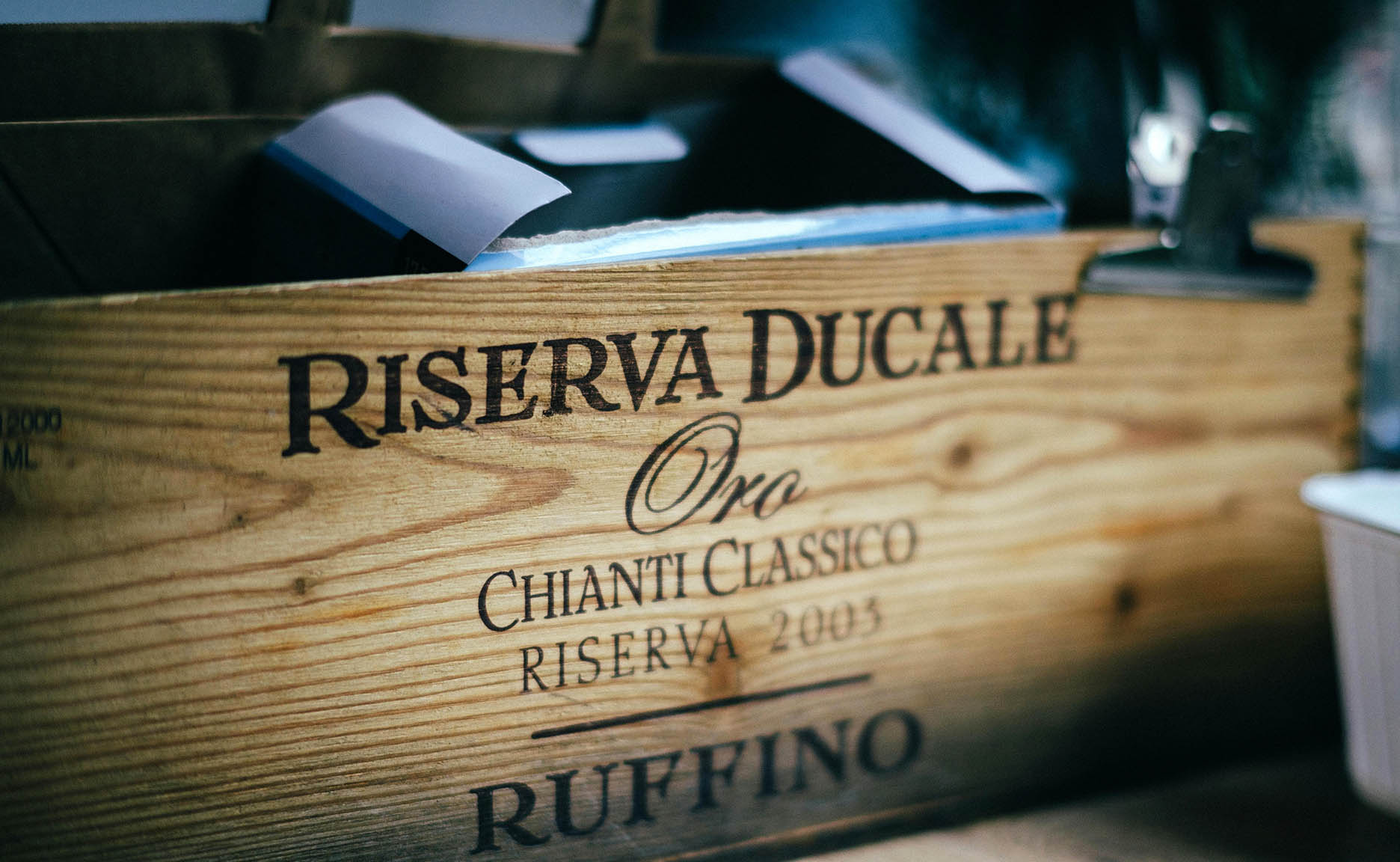
Chianti and Chianti Classico are often confused, but they represent distinct regions with separate identities and governance. The wines of the original Chianti zone, now known as Chianti Classico, are protected under their own DOCG, while the broader Chianti region expanded over time to include a variety of subzones under the Chianti DOCG and DOC designations. Since 1996, Chianti Classico has been formally recognized as a separate appellation, overseen by its own consortium and subject to stricter production rules. Geographically, it sits like an island within the larger Chianti area, offering a unique expression of Tuscany’s wine heritage.

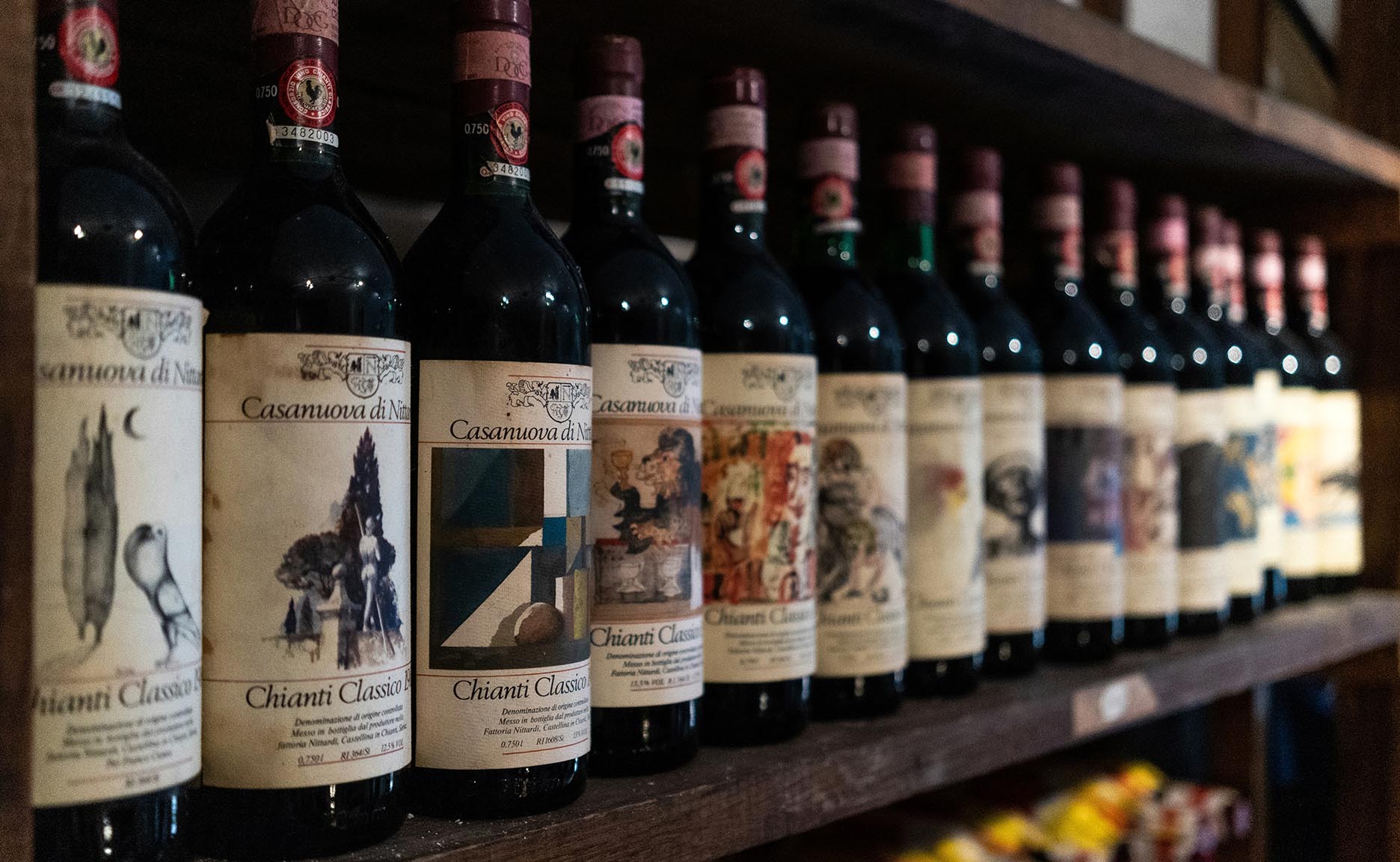
The roots of Chianti Classico stretch back centuries. The area between Florence and Siena has been producing wine since the Middle Ages, but in 1716, Cosimo III de’ Medici formally recognized it as one of Tuscany’s most important wine zones. This historic designation predates modern appellation systems, making Chianti Classico one of the oldest legally defined wine regions in the world. Today, the region is marked by the iconic Gallo Nero (Black Rooster) emblem, the symbol of its wine consortium and a signifier of authenticity.

Chianti Classico spans a hilly, picturesque landscape characterized by stony galestro soils, wide day/night temperature swings, and elevations ranging from 200 to 600 meters. These conditions give Sangiovese grapes their vibrant acidity, firm structure, and complexity.

To carry the Chianti Classico DOCG label, wines must follow these strict rules:

  • At least 80% Sangiovese (though many are 100%).
  • Up to 20% of approved local or international red varieties may be blended.
  • White grapes are not allowed (unlike in the broader Chianti DOCG).

Aging requirements also vary by category:

  • Chianti Classico Annata – minimum 12 months aging.
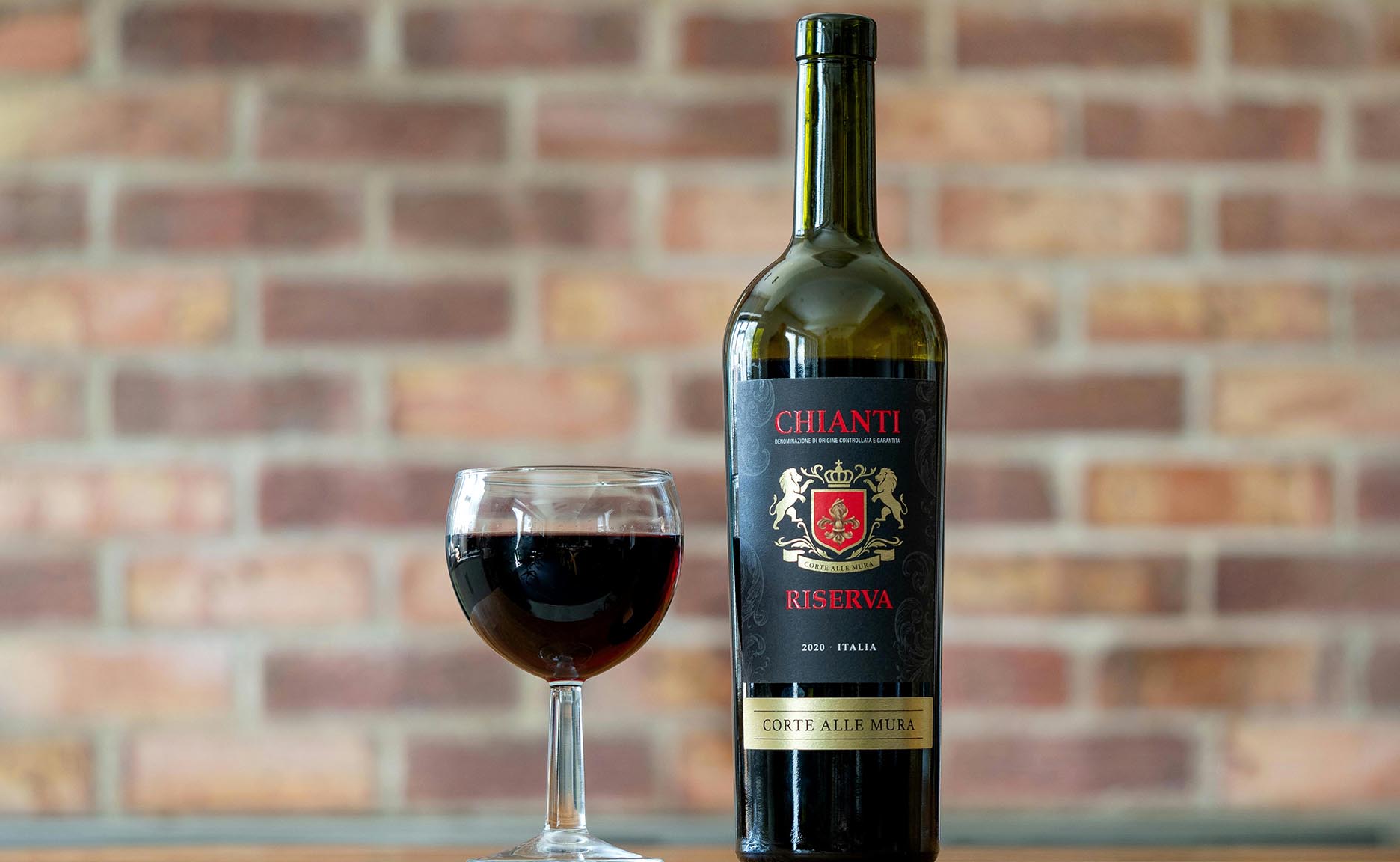
  • Chianti Classico Riserva – minimum 24 months, plus 3 months in bottle.
  • Chianti Classico Gran Selezione – minimum 30 months, from estate-grown grapes, with the highest quality standards.

What flavor profile and characteristics can you expect?

Chianti Classico wines are renowned for their depth, elegance, and longevity. While they share the bright cherry and plum notes typical of Sangiovese, they often show more layers and structure than their Chianti DOCG counterparts. You can typically expect aromas of sour cherry, violets, and herbs, along with earthy notes like leather, tobacco, or forest floor. The wines offer balanced acidity with firm tannins, giving them excellent aging potential. With oak aging, you will typically find flavors of vanilla, spice, and toast. Riserva and Gran Selezione wines in particular are capable of evolving beautifully in the bottle for decades.

What foods pair well with Chianti Classico?

Chianti Classico’s complexity and structure make it a versatile food wine, perfect for both rustic and refined pairings. Some of the best matches include:

  • Tuscan classics: bistecca alla Fiorentina (Florentine steak), ribollita, or wild boar ragu.
  • Roasted and grilled meats: lamb, venison, or pork shoulder.
  • Mature cheeses: aged Pecorino, Parmigiano-Reggiano.
  • Herb-driven dishes with rosemary, sage, or thyme, which echo the wine’s savory undertones.

A taste of Tuscany in every glass!

Step into the heart of Tuscany and discover the charm of Chianti and Chianti Classico with Miz En Place. Wander rolling vineyards, visit centuries-old estates, and savor the sights, flavors, and stories that make this region unforgettable. Our tours turn a visit into a fully immersive journey, letting you experience the culture, beauty, and history of Tuscany in a way that goes far beyond the glass.

Your Next Culinary Adventure Awaits – Let’s Create Something Unforgettable!

✈️ Browse our vacations, tours, culinary classes, and other experiences; or fill out our custom Italy or Greece adventures trip interest form – Tell us about your travel style, interests, and dream experiences. We will hand-curate a personalized Miz En Place journey just for you—crafted with care, flavor, and unforgettable moments.

📧 Have questions? Email our friendly customer service team anytime, or try the live chat function on our site! We are here to guide you, share insider insights, and help turn your travel vision into reality.

What are your favorite ways to enjoy Chianti wines? Let us know in the comments!

Exploring the World of Chianti Wines

Exploring the World of Chianti Wines

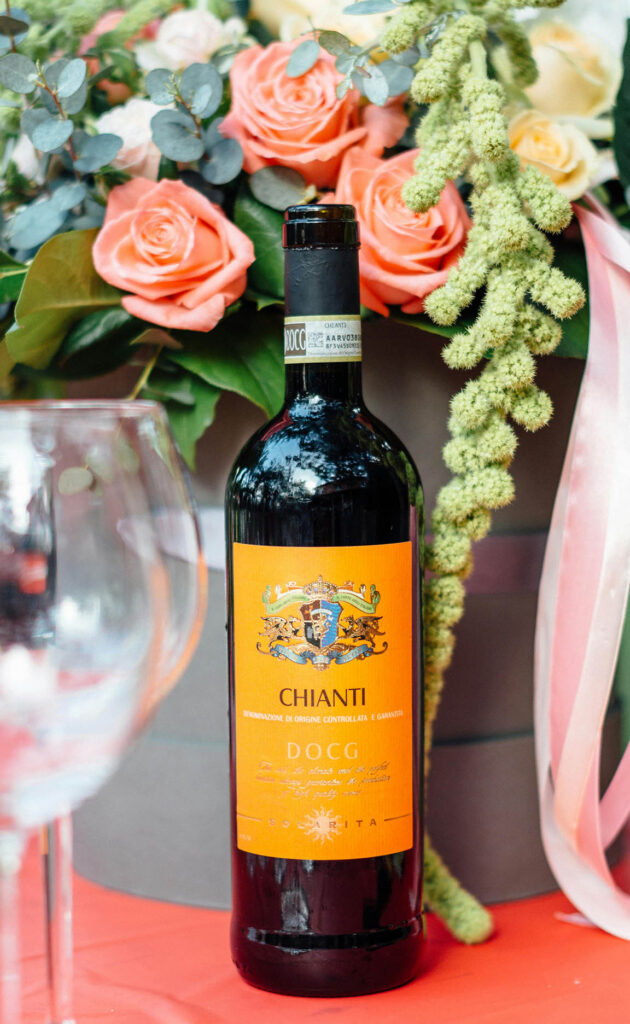
Chianti is one of Italy’s most recognizable and beloved red wines, steeped in tradition and history. Produced primarily from the Sangiovese grape, Chianti reflects Tuscany’s rolling hills, sun-drenched vineyards, and centuries-old winemaking culture. The Chianti wine region stretches across central Tuscany, covering several provinces, including Florence, Siena, Arezzo, Pistoia, and Pisa.

A common misconception is that Chianti and Chianti Classico are the same wine. While they share centuries of history, they are two distinct denominations. The original Chianti area was established in 1716 by Cosimo III de’ Medici. As production spread and new subzones emerged, the term Classico was officially added in 1932, along with the famous black rooster emblem, to identify wines from the original core of the region. The broader Chianti region has expanded well beyond its original borders, resulting in several recognized subzones under the Chianti DOCG and DOC designations. The original Chianti zone has been officially protected under its own DOCG since 1996 and is guided by its own consortium that upholds strict quality standards.

Today, Chianti and Chianti Classico stand as two proud DOCG appellations, each expressing its own character, heritage, and sense of place within Tuscany’s winemaking tradition.


The Chianti DOCG and its subzones

The Chianti DOCG stretches across several Tuscan provinces, including Florence, Siena, Arezzo, Pisa, and Pistoia. Unlike Chianti Classico, which is confined to its historic core, Chianti DOCG is divided into seven subzones, each shaped by different geography and climate. These include:

  • Chianti Colli Fiorentini – close to Florence, producing approachable and balanced wines.
  • Chianti Rufina – prized for elegance and structure, thanks to its cooler, higher-altitude vineyards.
  • Chianti Colli Senesi – reflecting the hills around Siena with rustic charm.
  • Chianti Colli Aretini, Colline Pisane, Colli Montalbano, and Montespertoli – each contributing unique expressions of Sangiovese.

These subzones highlight the diverse terroirs within Chianti, from coastal hills to mountain valleys, offering a broad spectrum of wine styles.

Exploring the World of Chianti Wines


What are typical Chianti flavor profiles and characteristics?

To earn the Chianti name, wines must be made primarily from Sangiovese grapes (at least 70 percent) while Chianti Classico requires a minimum of 80 percent. Other approved grapes, such as Canaiolo Nero, Colorino, Cabernet Sauvignon, and Merlot, may be used for blending. Aging also plays a significant role in defining style: Chianti must age for at least three months, Chianti Superiore for nine months, Chianti Riserva for twenty-four months, and Chianti Classico Gran Selezione for thirty months before release.

The Sangiovese grape is known for its bright acidity and firm tannins. Typically medium-bodied, Chianti wines offer vibrant flavors of tart cherry, red plum, and wild berries, complemented by earthy notes such as dried herbs, leather, or violets. Basic Chianti wines are fruit-driven, fresh, and easy to enjoy young, making them perfect for casual meals. Chianti Riserva must be aged longer, offering greater depth, structure, and complexity. Chianti Superiore, another category, comes from stricter regulations than basic Chianti, often showing refined character.

What are the perfect pairings with Chianti?

Chianti’s acidity and tannins make it a remarkably food-friendly wine. Classic pairings include:

  • Tomato-based pasta dishes like Bolognese, lasagna, or eggplant Parmesan.
  • Grilled and roasted meats, especially lamb, pork, and beef.
  • Herb-infused recipes, where rosemary, thyme, or oregano echo Chianti’s savory qualities.
  • Mature cheeses such as Parmigiano-Reggiano or Pecorino Toscano, which complement the wine’s structure.
  • Aged Chianti wines, such as Riserva, pair beautifully with richer dishes like braised game, hearty stews, or slow-cooked roasts.


A taste of Tuscany in every glass!

Step into the heart of Tuscany and discover the charm of Chianti and Chianti Classico with Miz En Place. Wander rolling vineyards, visit centuries-old estates, and savor the sights, flavors, and stories that make this region unforgettable. Our tours turn a visit into a fully immersive journey, letting you experience the culture, beauty, and history of Tuscany in a way that goes far beyond the glass.

Your Next Culinary Adventure Awaits – Let’s Create Something Unforgettable!

✈️ Browse our vacations, tours, culinary classes, and other experiences; or fill out our custom Italy or Greece adventures trip interest form – Tell us about your travel style, interests, and dream experiences. We will hand-curate a personalized Miz En Place journey just for you—crafted with care, flavor, and unforgettable moments.

📧 Have questions? Email our friendly customer service team anytime, or try the live chat function on our site! We are here to guide you, share insider insights, and help turn your travel vision into reality.

What are your favorite ways to enjoy Chianti wines? Let us know in the comments!

Eastern-Beauty6.jpg

Pumpkin Seeds: Tiny Powerhouses of Nutrition

Pumpkin Seeds: Tiny Powerhouses of Nutrition

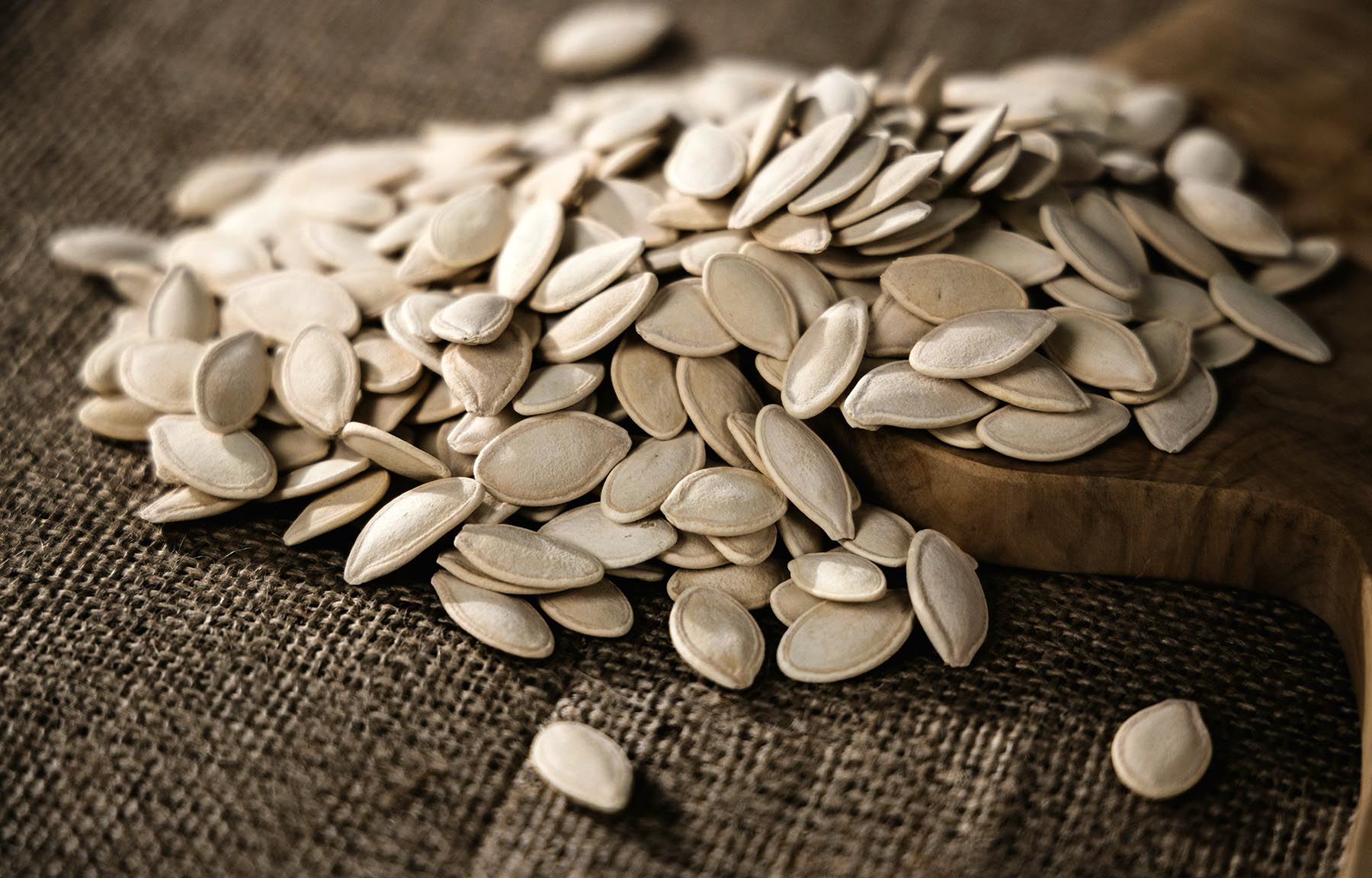
Pumpkin seeds, also known as pepitas, may be small, but they are packed with impressive nutrition. For centuries, they have been valued in cultures worldwide not only as a food source but also for their medicinal properties. They remain a popular snack and ingredient thanks to their rich flavor, crunchy texture, and wide range of health benefits.

One of the standout qualities of pumpkin seeds is their nutrient density. They are an excellent source of plant-based protein, healthy fats, and fiber, making them a satisfying and energizing snack. They are also rich in essential minerals such as magnesium, zinc, iron, and manganese, which play crucial roles in bone health, immune function, and energy production. In addition, pumpkin seeds provide antioxidants like vitamin E and carotenoids, which help protect the body from oxidative stress and support overall wellness.

Eating pumpkin seeds regularly may support several areas of health. Their high magnesium content is particularly beneficial for heart health, as it helps regulate blood pressure and promotes healthy muscle and nerve function. The zinc in pumpkin seeds boosts the immune system and promotes skin health, while their combination of fiber and healthy fats can aid digestion and help with weight management by keeping you fuller for longer. Some research also suggests that compounds in pumpkin seeds may support prostate and bladder health, adding to their reputation as a functional food.

Pumpkin Seeds: Tiny Powerhouses of Nutrition

There are many delicious ways to add pumpkin seeds to your diet. The seeds are delicious raw when eaten as a simple snack, or roasted with a touch of salt and spices for extra flavor. Pumpkin seeds make a crunchy topping for salads, soups, or yogurt bowls, and can be blended into smoothies for an added nutrient boost. They can also be ground into a seed butter, mixed into homemade granola, or incorporated into baked goods like breads and muffins. Try seasoning them with chili powder, garlic, or paprika before roasting for a savory twist.

Basically, pumpkin seeds are a versatile and nutrient-packed food enjoyed in countless ways. Whether sprinkled over your favorite dish, blended into recipes, or eaten by the handful, they offer delicious flavor and a wide array of health benefits.

Want to know how to remove and roast fresh pumpkin seeds for a delicious and healthy snack?

Remove Pumpkin Seeds

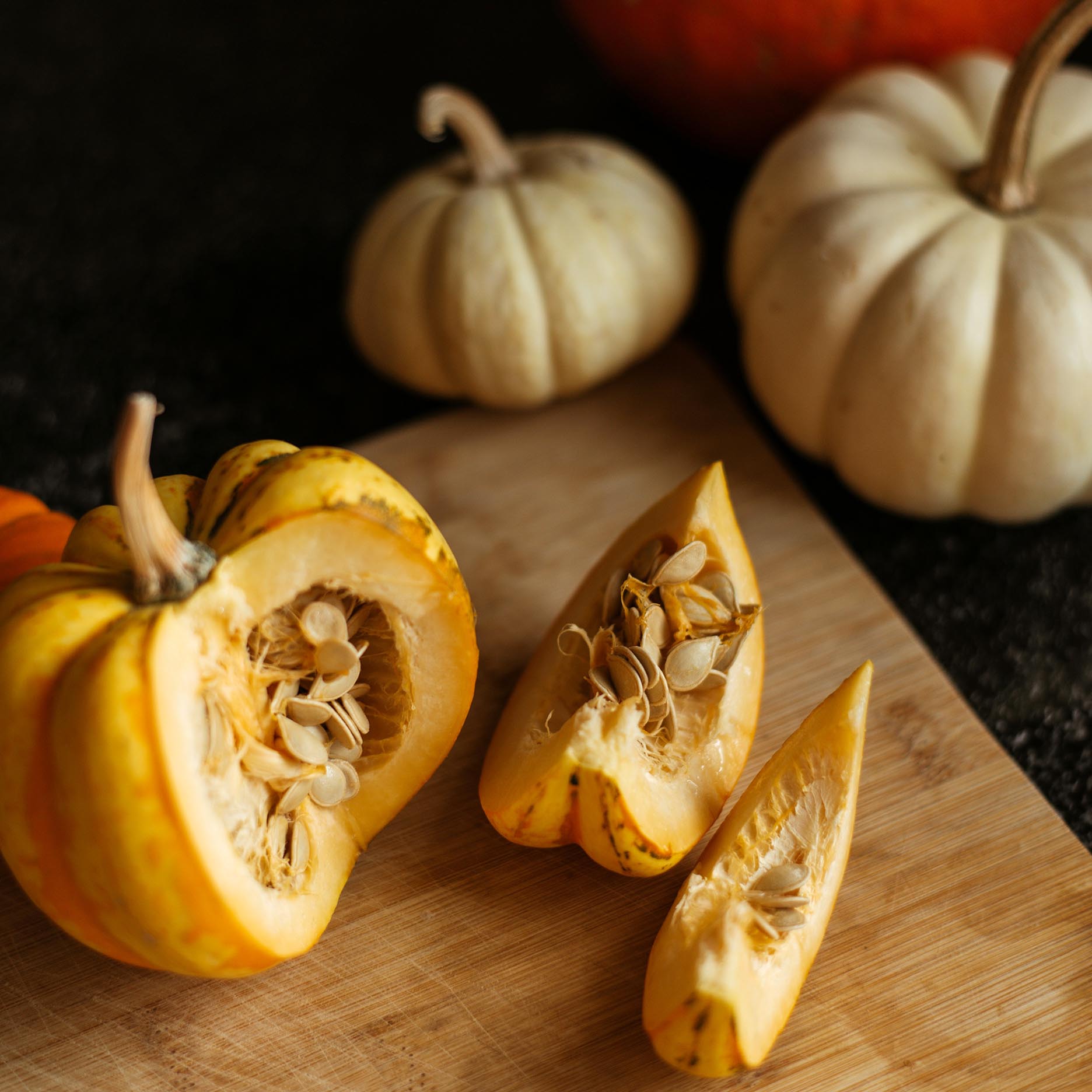
  • Cut Open the Pumpkin: Use a sharp knife to cut a circle around the stem or slice the pumpkin in half vertically.
  • Scoop Out the Guts: Use a sturdy spoon or your hands to scoop out the stringy pulp and seeds into a bowl.
  • Separate the Seeds: Place the mixture in a colander and rinse under cold water. Use your fingers to separate the seeds from the pulp. Don’t worry if some stringy bits remain—they’ll crisp up during roasting.
  • Dry the Seeds: Pat the seeds dry with a clean kitchen towel or paper towel. Let them air-dry for 10–15 minutes for extra crispiness.

Roast the Pumpkin Seeds

  • Preheat the Oven: Set your oven to 325°F (165°C).
  • Season the Seeds: Toss the seeds in a bowl with a little olive oil or melted butter. Add salt or your favorite seasonings—try garlic powder, smoked paprika, cinnamon sugar, or chili powder.
  • Spread on a Baking Sheet: Arrange the seeds in a single layer on a baking sheet lined with parchment paper or lightly greased.
  • Roast Until Golden: Bake for 20–30 minutes, stirring every 10 minutes to ensure even roasting. They are done when they’re golden brown and crunchy.
  • Cool and Store: Let the seeds cool completely, then store them in an airtight container at room temperature for up to a week—or longer if refrigerated.

Tip: For extra flavor, boil the seeds in salted water for 10 minutes before roasting. This helps season them more deeply and improves texture.

What are your favorite ways to enjoy pumpkin seeds? Let us know in the comments!

Your Next Culinary Adventure Awaits – Let’s Create Something Unforgettable!

✈️ Browse our vacations, tours, culinary classes, and other experiences; or fill out our custom Italy or Greece adventures trip interest form – Tell us about your travel style, interests, and dream experiences. We will hand-curate a personalized Miz En Place journey just for you—crafted with care, flavor, and unforgettable moments.

📧 Have questions? Email our friendly customer service team anytime, or try the live chat function on our site! We are here to guide you, share insider insights, and help turn your travel vision into reality.

The Top 5 Italian Food Souvenirs That Belong in Your Suitcase!

The Top 5 Italian Food Souvenirs That Belong in Your Suitcase!

Italy isn’t just a place you visit – it is a place you taste. From the rolling vineyards of Tuscany to the bustling food markets of Palermo, every corner of the country offers something delicious and deeply rooted in tradition. While the memories of long lunches, velvety wines, and family-run trattorias will linger for a lifetime, there’s nothing quite like bringing a piece of that culinary magic home with you.

It doesn’t matter if you are a seasoned cook or simply love to eat well, choosing the right food souvenirs from Italy means more than just filling your suitcase – it is about capturing the essence of a place through its most cherished flavors. Here are five must-have culinary treasures to look for on your next Italian adventure, each one offering a way to relive the experience, and share it, long after the trip is over.

1.) Aged Balsamic Vinegar (Aceto Balsamico Tradizionale)

From Modena or Reggio Emilia, this thick, complex vinegar is aged for 12 to 25+ years and adds instant depth to everything from grilled vegetables to strawberries. Look for DOP labels and glass bottles with wax seals for authenticity.

2.) Extra Virgin Olive Oil

Each region produces unique oils, from the bold, peppery Tuscan varieties to the fruity Ligurian types. Choose small-batch, cold-pressed bottles from local producers, many offer tastings to help you find your favorite.

3.) Parmigiano Reggiano or Pecorino Cheese (Vacuum-Sealed)

True Parmigiano Reggiano is aged and full of umami, perfect for grating over pasta or enjoying with honey and wine. Aged pecorino from Tuscany or Sardinia also travels well when vacuum-sealed.

4.) Dried Porcini Mushrooms

Lightweight and intensely flavorful, these are a pantry essential for risottos, soups, and sauces. Italy’s porcini are prized for their deep, earthy aroma and meaty texture.

5.) Artisan Pasta or Regional Specialties

Bring home hand-crafted pasta like trofie from Liguria, orecchiette from Puglia, or pici from Tuscany. These shapes, often unavailable abroad, offer an authentic taste of place and culture.

Bonus tips:

  • Truffles – If you have the space, a few local spice blends or truffle products (like truffle salt or paste) make great gifts and elevate everyday dishes with a luxurious Italian touch.
  • Cured meats – Bring home cured meats like prosciutto from Parma, speck from Alto Adige, or finocchiona. These regional specialties, deeply tied to local tradition, let you savor Italy’s flavors long after your trip.
  • Wines – Wines like Chianti Classico from Tuscany, Barolo from Piedmont, or Nero d’Avola from Sicily reflect its region’s landscape and heritage, offering a lasting taste of Italy at home.

Also, if you plan to bring back meats or cheeses, choose vacuum-packed options and pack a small foldable insulated bag with an ice pack in your suitcase. It is the easiest way to keep them fresh, though they will generally hold up fine for the duration of your flight.

Bring home culinary treasures to help keep the spirit of Italy alive in your own kitchen. Each bite becomes a memory, each ingredient a story, reconnecting you to the people, places, and moments that made your journey so special. So as you explore Italy, taste with intention, shop with curiosity, and don’t forget to leave room in your suitcase for a little edible magic to share (and to re-live) once you’re home.

Your Next Culinary Adventure Awaits – Let’s Create Something Unforgettable!

✈️ Fill out our custom Italy adventures trip interest form – Tell us about your travel style, interests, and dream experiences. We will hand-curate a personalized Miz En Place journey just for you—crafted with care, flavor, and unforgettable moments.

📧 Have questions? Email our friendly customer service team anytime, or try the live chat function on our site! We are here to guide you, share insider insights, and help turn your travel vision into reality.

What are your favorite foodie souvenirs to bring home? Let us know in the comments!

Exploring Europe’s Love Affair with Coffee

Exploring Europe's Love Affair with Coffee

European coffee is famous worldwide for its depth of flavor, variety, and cultural significance. This recognition comes from centuries of coffee traditions that have shaped how the beverage is grown, prepared, and enjoyed. In Europe, coffee is more than a morning routine. It is a daily ritual, a social occasion, and a symbol of hospitality. Countries across the continent have developed unique coffee styles that reflect their local customs and culinary heritage.

Europe offers an impressive range of coffee types and flavors that differ by region, preparation method, roast level, and local preferences. In Italy, espresso is a national treasure—served strong, small, and full of character. Italian espresso is rich and concentrated, often carrying hints of dark chocolate, toasted nuts, or spices. You will also find drinks like cappuccino and macchiato that balance espresso with milk or foam. In France, café au lait is a favorite morning drink, while café noir delivers a bold, straightforward flavor. French coffee tends to be darker and more robust, delivering a deeper, slightly bitter taste. Austria is known for its creamy, elaborate blends, such as the Wiener Melange, which often include steamed milk or whipped cream. Austrian coffee drinks are smooth and creamy, often balancing strong coffee with sweet or dairy elements. In Scandinavia, filter coffee is the standard, typically enjoyed in generous amounts throughout the day. Eastern Europe, including parts of the Balkans, still embraces traditional Turkish coffee, which is brewed slowly and served thick, with a touch of sweetness. In Northern Europe, lighter roasts are more common, allowing delicate notes like fruit, herbs, or florals to come forward. Each region values a distinct balance of strength, aroma, and finish.

Coffee has become an essential part of European daily life. It is not just about the drink itself, but about the experience. Cafés and coffeehouses serve as community spaces where friends meet, conversations begin, and moments are savored. People in Europe often take time to enjoy their coffee slowly, treating it as a break from the pace of the day. High-quality beans, skilled preparation, and a deep appreciation for flavor all contribute to the popularity of coffee across the continent. It is not simply a habit—it is a cultural cornerstone that continues to thrive.

Ready to explore European coffees in person?

Your Next Culinary Adventure Awaits – Let’s Create Something Unforgettable!

✈️ Browse our vacations, tours, culinary classes, and other experiences; or fill out our custom Italy adventures trip interest form – Tell us about your travel style, interests, and dream experiences. We will hand-curate a personalized Miz En Place journey just for you—crafted with care, flavor, and unforgettable moments.

📧 Have questions? Email our friendly customer service team anytime, or try the live chat function on our site! We are here to guide you, share insider insights, and help turn your travel vision into reality.

What is your favorite European coffee? Let us know in the comments!

8 Essential Items to Pack for a Red-Eye Flight to Europe

8 Essential Items to Pack for a Red-Eye Flight to Europe

Red-eye flights, especially those from North America to Europe, are often seen as both time-savers and sleep-wreckers. While many travelers imagine landing bright and early, ready to hit the ground running, the reality is more complex. If you are flying from the West Coast, or even from the East Coast with a layover, the long travel time and time difference of 8 to 10 hours means you will likely land in the afternoon or early evening, not the morning. Even a midnight departure from the East Coast translates to 6 to 9 am in Europe, so most flights will not deliver you to your destination at the crack of dawn. This makes planning (and preparing to rest en route) all the more important. Here are eight essential items to pack in your carry-on to make your overnight journey more comfortable, restful, and smooth:

1.) Noise-Canceling Headphones or Earplugs

One of the most significant barriers to sleep on a red-eye is cabin noise—from engine hums and crying babies to the rustle of beverage carts. Noise-canceling headphones can significantly reduce ambient noise and are ideal for listening to relaxing music or a sleep podcast. If you prefer silence, high-quality earplugs offer a lightweight, budget-friendly alternative.

2.) Sleep Mask

Blocking out the bright cabin lights, early sunrise, or your seatmate’s screen glow is essential for quality rest. Choose a contoured or padded sleep mask that doesn’t press against your eyes, allowing for a more natural and uninterrupted sleep cycle.

3.) Travel Pillow

Neck support is crucial on long-haul flights. A good travel pillow, especially a memory foam or ergonomic design, helps prevent neck strain and improves your chances of falling asleep upright. Look for compact, washable options that can be clipped to your bag.

4.) Hydration Essentials

Airplane cabins are notoriously dry. Bring a refillable water bottle to stay hydrated. Just be sure to bring the flask to the airport empty and fill it once you have cleared security. Consider a hydrating facial mist or moisturizer to refresh your skin mid-flight. Don’t forget lip balm to combat chapping during the long haul.

5.) Comfortable Layers

Cabin temperatures can fluctuate dramatically. Wear breathable layers—like a lightweight hoodie, cardigan, or travel wrap – that are easy to add or remove. Bonus: Scarves can double as a blanket or pillow in a pinch.

6.) Snacks and Herbal Tea Bags

While most international flights include meals, timing, and choices might not align with your preferences. Pack healthy snacks (think trail mix, dried fruit, or a protein bar) to keep hunger at bay. Bringing a couple of your favorite caffeine-free tea bags, like chamomile or peppermint, can help you relax and sleep better – just ask for hot water during beverage service.

7.) Toiletries and Refresh Kit

Freshening up before landing makes a world of difference. Include travel-sized toothpaste and brush, facial wipes, hand sanitizer, and deodorant in your carry-on. If you wear contacts, bring your glasses and a contact lens case with solution for overnight comfort.

8.) Sleep Aid (if needed and doctor-approved)

A natural sleep aid like melatonin can help adjust your body clock to European time if you struggle to sleep on planes. Always consult your doctor before taking any medication, especially on international flights.

Pack Strategically

Keep these essentials in an easy-to-access pouch in your personal item under the seat. Once you are settled in, you won’t have to disturb other passengers or rummage through the overhead bin.

By packing smart and prioritizing comfort, your red-eye flight to Europe can become a surprisingly restful and refreshing start to your adventure abroad.

Your Next Culinary Adventure Awaits – Let’s Create Something Unforgettable!

✈️ Browse our vacations, tours, culinary classes, and other experiences; or fill out our custom Italy or Greece adventures trip interest form – Tell us about your travel style, interests, and dream experiences. We will hand-curate a personalized Miz En Place journey just for you—crafted with care, flavor, and unforgettable moments.

📧 Have questions? Email our friendly customer service team anytime, or try the live chat function on our site! We are here to guide you, share insider insights, and help turn your travel vision into reality.

Did we miss any essential tips? Let us know in the comments!

ravioli-lovers-1-1.jpg

What makes a good kitchen knife?

What makes a good kitchen knife

The history of kitchen knives dates back thousands of years, evolving alongside human civilization. Early knives were crafted from stone, obsidian, and bone, and used for hunting and food preparation. As metallurgy advanced around 3000 BCE, ancient cultures such as the Egyptians, Mesopotamians, and Chinese began forging knives from copper and bronze. These early metal knives were prized for their durability and efficiency, though they were still rudimentary by modern standards. The Iron Age brought further improvements as iron, and later steel knives, became stronger, sharper, and more accessible.

During the Middle Ages, knife craftsmanship flourished in Europe and Asia, with regions like Solingen, Germany, and Sakai, Japan, becoming renowned for their blade-making expertise. Japanese artisans, for instance, developed specialized kitchen knives like the deba and yanagiba, tailored to precise cutting techniques in traditional Japanese cuisine. Industrialization revolutionized knife production in the 19th and 20th centuries, making them widely available and affordable. Companies like Sabatier in France and Wüsthof in Germany popularized high-quality forged knives, while stainless steel’s invention in the early 20th century offered a rust-resistant alternative to carbon steel.

Today, kitchen knives continue to combine traditional craftsmanship with modern technology, incorporating advanced materials like Damascus steel, ceramics, and enhanced ergonomic designs. They remain indispensable tools in kitchens worldwide, reflecting a rich history of innovation and cultural influence.

What defines a “good” kitchen knife?

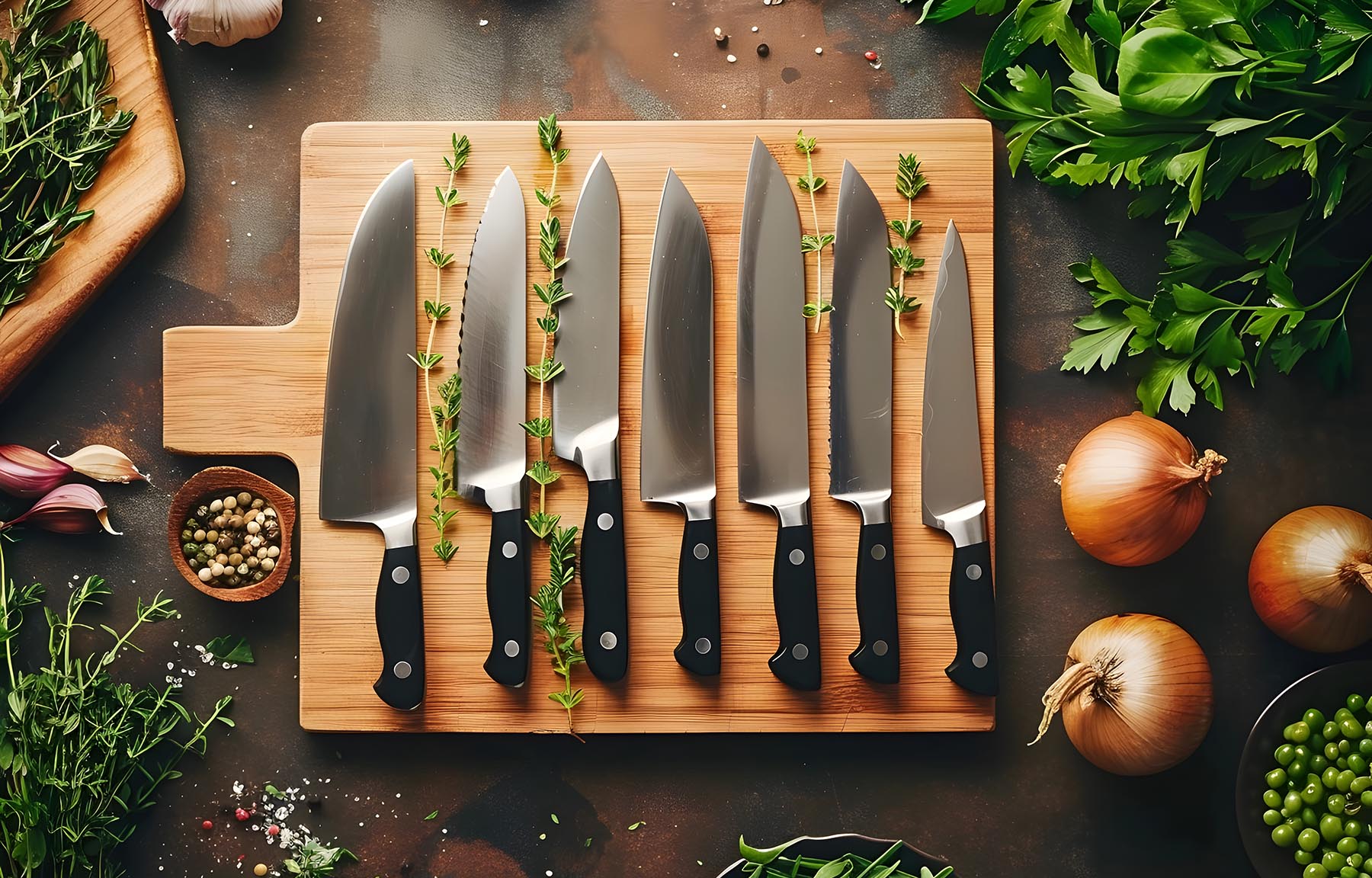
A good kitchen knife is defined by its balance of sharpness, durability, comfort, and design. The blade should be made of high-quality materials like carbon steel or advanced alloys. These materials maintain sharp edges longer, resist corrosion, and provide precision cuts. The blade’s edge is crucial; a sharp and evenly honed edge reduces the effort needed to slice, dice, or chop and ensures safety by reducing the tendency to slip. A full tang construction, where the blade extends the length of the handle, offers improved balance and durability. Ergonomics play a significant role too—the handle should be comfortable to grip, secure, and made from durable materials like wood, plastic composites, or rubberized textures to avoid slipping during use.

What defines a “bad” kitchen knife?

A bad kitchen knife often skimp on quality materials, leading to quicker dulling, rust, and an uneven blade edge. These knives are usually made with low-grade stainless steel, which lacks the hardness to retain sharpness for extended periods. Poorly constructed handles—either overly bulky or too slim—can cause discomfort or strain during prolonged use. Inadequate balance between the blade and handle can make the knife feel unwieldy, reducing precision and increasing the risk of accidents. Additionally, cheaply made knives may lack sufficient weight, compromising the control needed for efficient cutting. Over time, these flaws make cooking more labor-intensive and less enjoyable.

Looking to upgrade your kitchen tools? Browse our selection of artisan-crafted precision knives.

What are your favorite kitchen knives? Let us know in the comments!

x